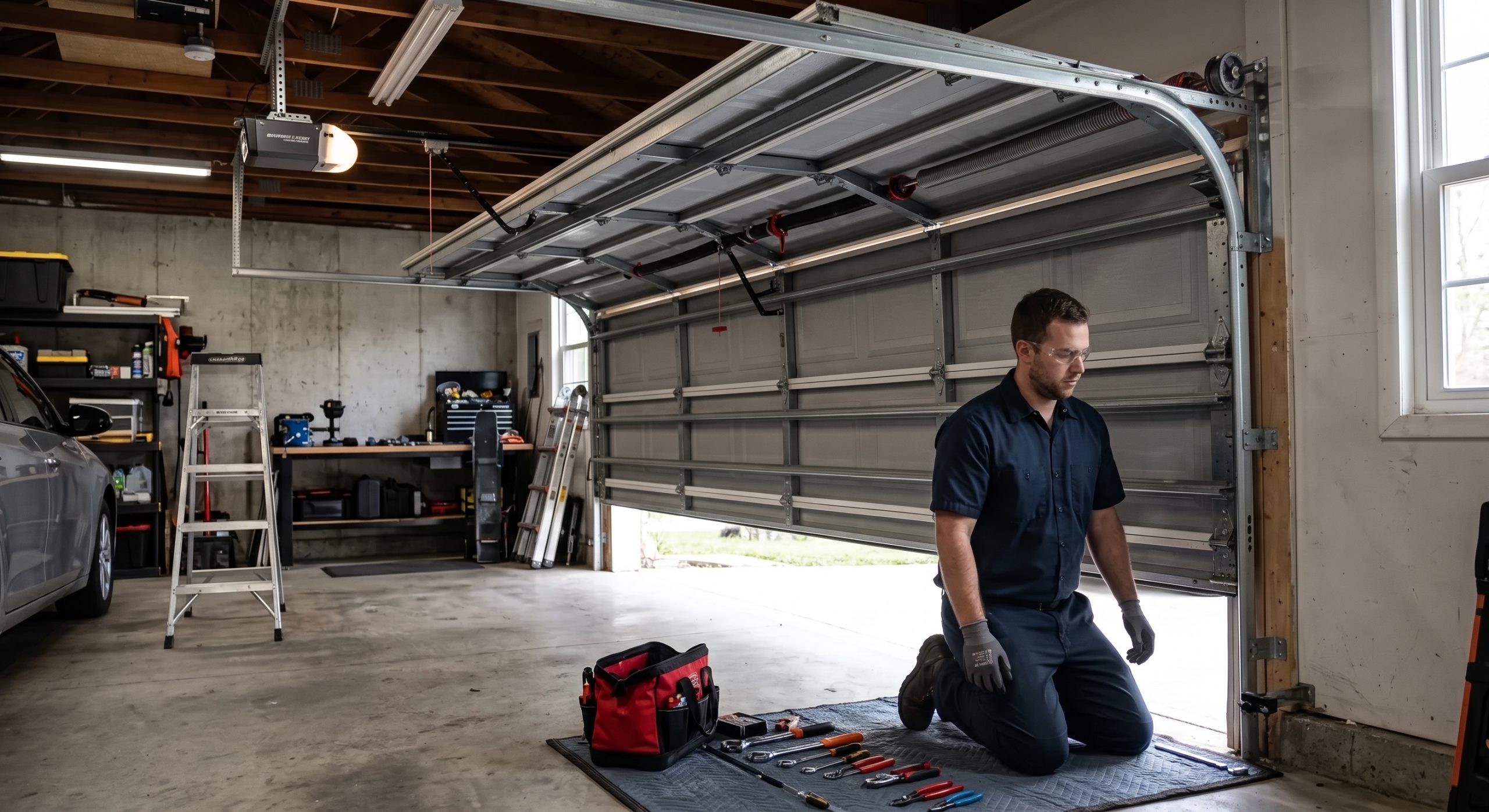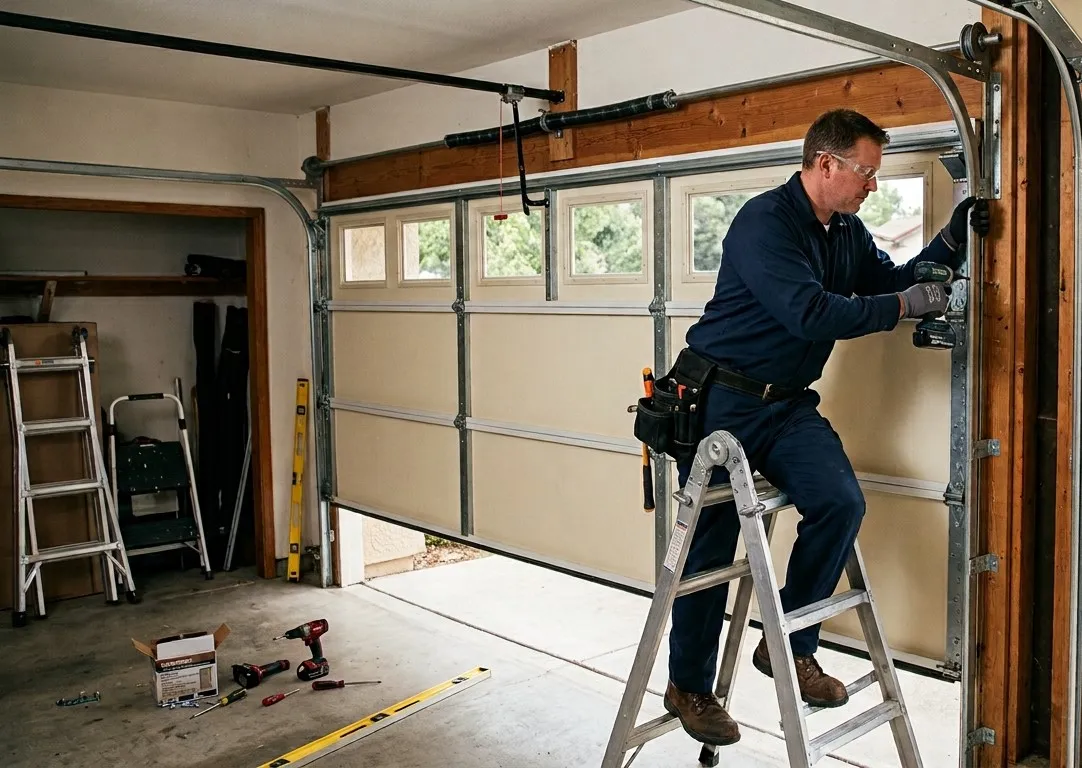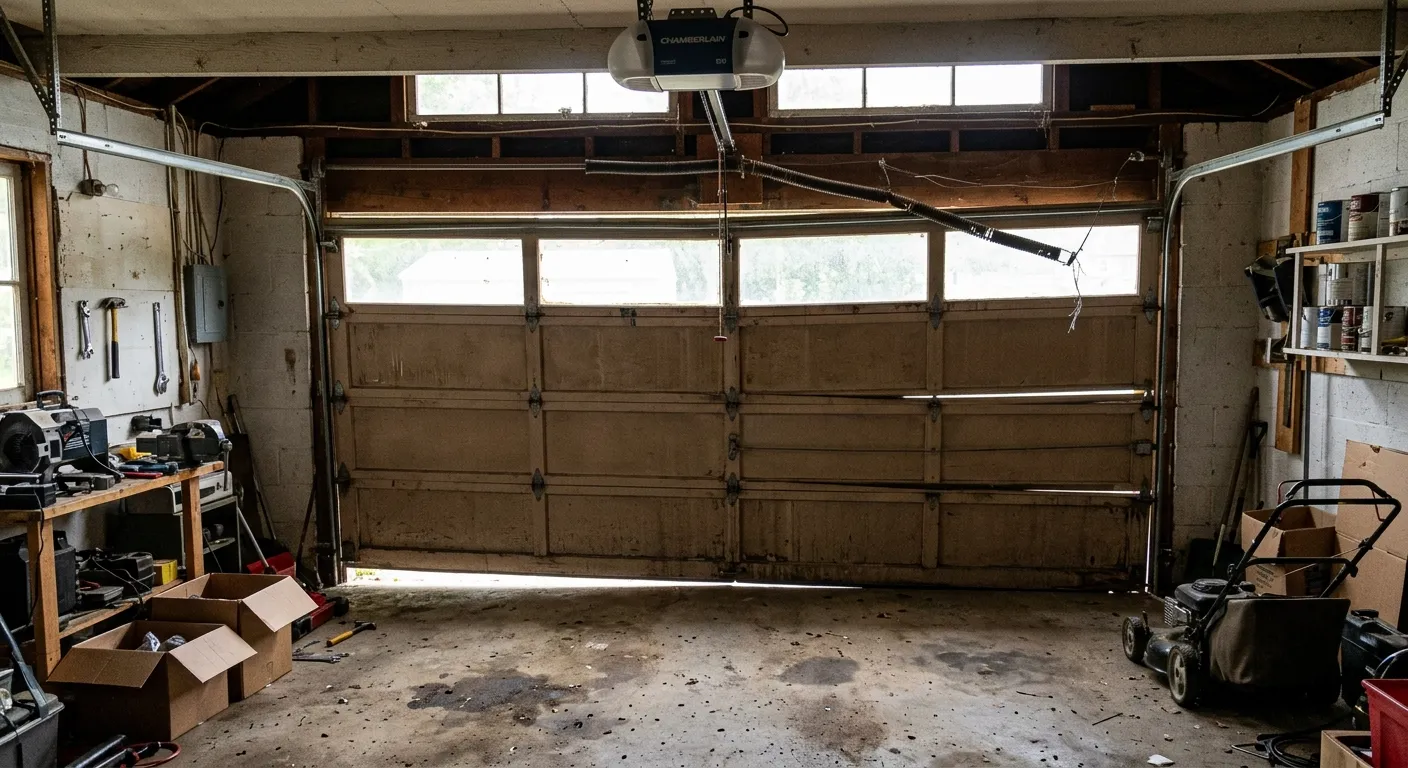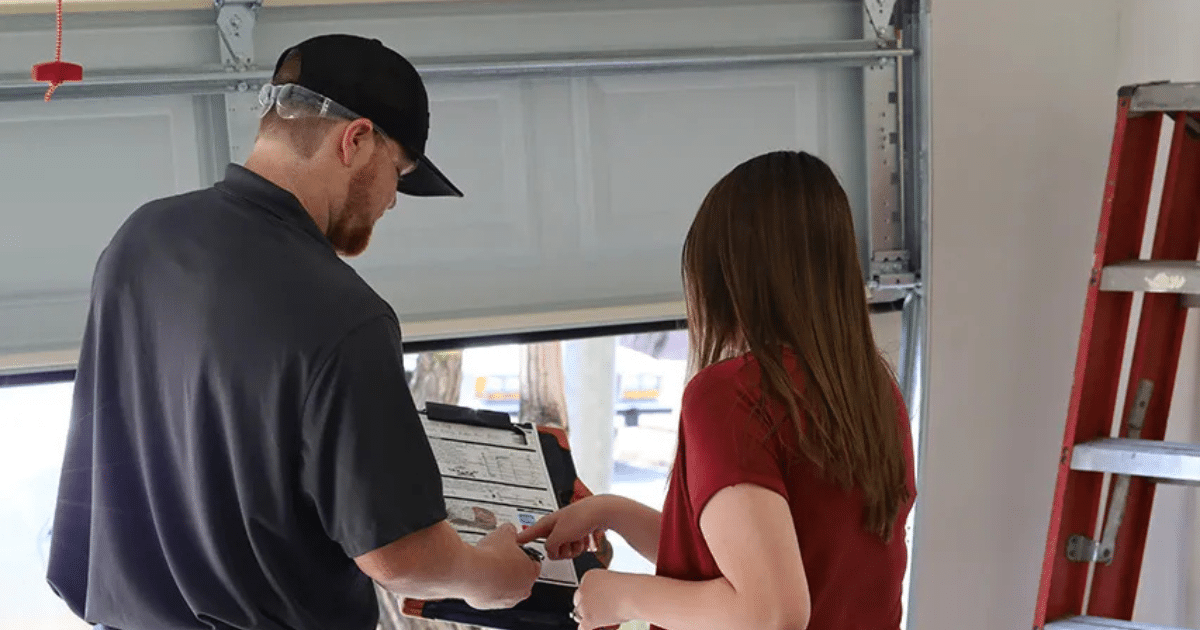
A LiftMaster garage door that refuses to close puts everything inside the garage at risk and leaves the home exposed until the problem gets fixed. The causes behind this issue are not always obvious, and pressing the remote button repeatedly without understanding what is wrong only delays the solution.
LiftMaster is one of the most trusted names in residential garage door systems, but even the best equipment develops problems over time. This guide breaks down the 5 shocking reasons a LiftMaster garage door won’t close, explains the warning signs for each one, and walks through the fixes that actually work.
What Happens When a LiftMaster Garage Door Won’t Close
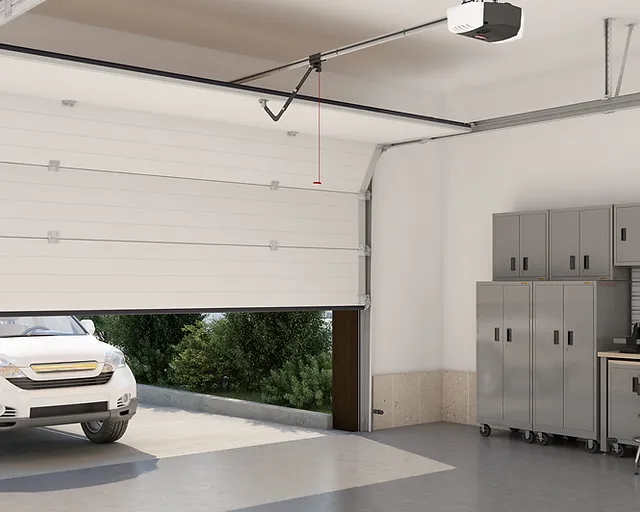
When a LiftMaster garage door won’t close, the system is always reacting to something it detected, and that reaction shows up in different ways depending on whether the problem is coming from the sensors, the drive system, or the opener settings.
Common things that happen when the door refuses to close include:
- Motor runs, but nothing engages in the drive system
- A blinking light on the motor unit flashes repeatedly in a pattern
- The door starts to lower and immediately reverses back up
- The wall button works, but the LiftMaster remote triggers no movement
- Door stops halfway and will not continue downward
To understand what each signal means when the door refuses to go down, read our guide on LiftMaster Garage Door Beeping? Discover the Shocking Cause Behind the Noise!, which breaks down exactly what the opener is trying to communicate.
5 Shocking Reasons a LiftMaster Garage Door Won’t Close
Misaligned Safety Sensors
Misaligned safety sensors are the leading cause of a LiftMaster garage door that refuses to close, and the indicator lights on each sensor confirm it instantly.
Watch for these patterns:
- Sending sensor light flickers instead of staying solid
- The receiving sensor shows no steady confirmation light
- The door reverses immediately after every closing attempt
- Sensor brackets look visibly shifted or bent out of position
- Closing fails consistently, but opening still works fine
Gently adjusting the brackets until both lights glow solid and wiping the sensor lenses with a dry cloth resolves most misaligned safety sensor problems.
Physical Obstructions in the Tracks
Even the smallest object in the wrong place can stop a LiftMaster garage door from completing a full closing cycle.
Common obstructions that trigger a reversal include:
- Small debris or pebbles are lodged along the track path
- Tools or objects left near the garage floor threshold
- Built-up dirt and grime inside the track channels
- Ice or moisture collected along the bottom seal area
- Outdoor debris pushed in by the wind near the sensors
Clearing the full path under and around the door, including the track channels, removes the interference that causes the opener to read a false obstruction.
Engaged Manual Door Lock
An accidentally engaged manual lock stops the door completely while the motor keeps running as if nothing is wrong.
Signs that a manual lock is the problem include:
- Motor activates normally, but the door stays completely still
- The remote button and the wall button both produce the same result
- The slide lock on the inside panel is visibly pushed into the locked position
- No unusual sounds come from the drive system during operation
- The problem started after someone was last inside the garage manually
Sliding the lock back into the open position restores normal operation and eliminates the need for further LiftMaster garage door opener troubleshooting.
Incorrect Close Force Settings
Miscalibrated force settings cause the opener to interpret normal door resistance as a blockage and reverse before the door reaches the floor.
Signs that force settings are the issue include:
- The door reverses consistently at the same point during closing
- No physical obstruction is present along the path
- The problem worsened gradually over weeks rather than appearing suddenly
- Travel limits appear correct, but the cycle still does not complete
- Older LiftMaster units show this pattern as tracks accumulate grime
Making small incremental adjustments to the close force dial on the motor unit and testing after each change brings the setting back into the correct range.
Disconnected Trolley or Emergency Release
Once the red emergency release cord gets pulled, the door separates from the drive system entirely, and the opener runs without moving anything.
Signs pointing to a disconnected trolley include:
- Motor runs through a full cycle, but the door stays in place
- The door moves freely by hand with no resistance from the drive system
- The red emergency release cord hangs lower than its normal position
- The problem started right after a power outage or manual operation
- The trolley carriage is visibly separated from the door bracket overhead
Pulling the red emergency release cord toward the motor unit and sliding the door manually until a click confirms re-engagement restores the full connection.
Warning Signs That Point to the Problem
Knowing which warning signs to look for helps identify the exact cause before the problem gets harder to diagnose.
Common warning signs that a LiftMaster garage door won’t close include:
- The door reverses immediately after every closing attempt
- Motor runs through a full cycle, but the door never moves
- A blinking light on the motor unit flashes in a repeated pattern
- The wall button works, but the LiftMaster remote produces no response
- The door drags, shudders, or stops at an inconsistent point during closing
Paying attention to these signs points directly to which of the 5 reasons is causing the problem and helps a garage door repair technician diagnose it faster.
How to Fix a LiftMaster Garage Door That Won’t Close
Fixing a LiftMaster garage door that won’t close starts with working through the most common causes in a logical order before touching any settings or hardware.
Steps to fix a LiftMaster garage door that won’t close include:
- Check the sensor lights and adjust the brackets until both glow solidly
- Clear all debris, objects, and buildup from the track path and threshold
- Confirm the manual slide lock on the inside panel is in the open position
- Re-engage the trolley by pulling the red emergency release cord toward the motor unit
- Make small adjustments to the close force dial and test after each change
- Replace dead batteries in the LiftMaster remote and test the wall button independently
To get the full picture on configuring and resetting the opener after any of these fixes, read our guide on How to Program Your Garage Door Opener, which walks through every step to restore the system to full working order.
When a LiftMaster Garage Door Won’t Close Needs a Pro
Professional garage door service becomes necessary when the problem goes deeper than sensors, settings, or a disconnected trolley.
Situations that call for professional help include:
- Springs are visibly broken, or the door feels abnormally heavy to lift manually
- Logic board or electrical components show visible damage or burn marks
- The drive gear is broken, and the motor spins without moving the door
- The door is off its tracks and cannot be guided back into position
- Panels or frames are visibly bent after an impact
Attempting these repairs without the right tools and training puts both the door and the people nearby at risk of serious injury.
How Much Does a LiftMaster Garage Door Repair Cost
Repair costs for a LiftMaster garage door vary depending on which part failed and the amount of labor required.
Average cost ranges for common LiftMaster repairs include:
- Sensor replacement or realignment falls under a standard minor service fee
- Force and travel limit adjustments are typically low-cost since no parts are replaced
- Drive gear replacement sits in the mid-range due to parts and labor combined
- Logic board replacement ranks among the higher-cost repairs due to its complexity
- Spring replacement always requires a professional and sits at the higher end of repair costs
To explore how repair and replacement costs compare across different models, read our guide on Secrets to Reducing LiftMaster Garage Door Opener Costs Without Sacrificing Quality, which breaks down where the real value lies at every price point.
How to Keep a LiftMaster Garage Door From Not Closing Again
Regular maintenance is the most effective way to prevent the 5 reasons a LiftMaster garage door won’t close from happening again.
Key maintenance habits that keep the system running properly include:
- Inspect sensor lights monthly and clean the lenses with a dry cloth
- Lubricate all metal parts, including rollers, hinges, and the drive gear, every season
- Check the tracks for alignment and tighten any loose bolts regularly
- Test the backup battery periodically and replace it before it fails
- Keep the area around the sensors and threshold clear at all times
Consistent routine maintenance prevents the kind of neglect that leads to repeated service calls.
A LiftMaster Garage Door That Won’t Close Has a Fix for Every Reason
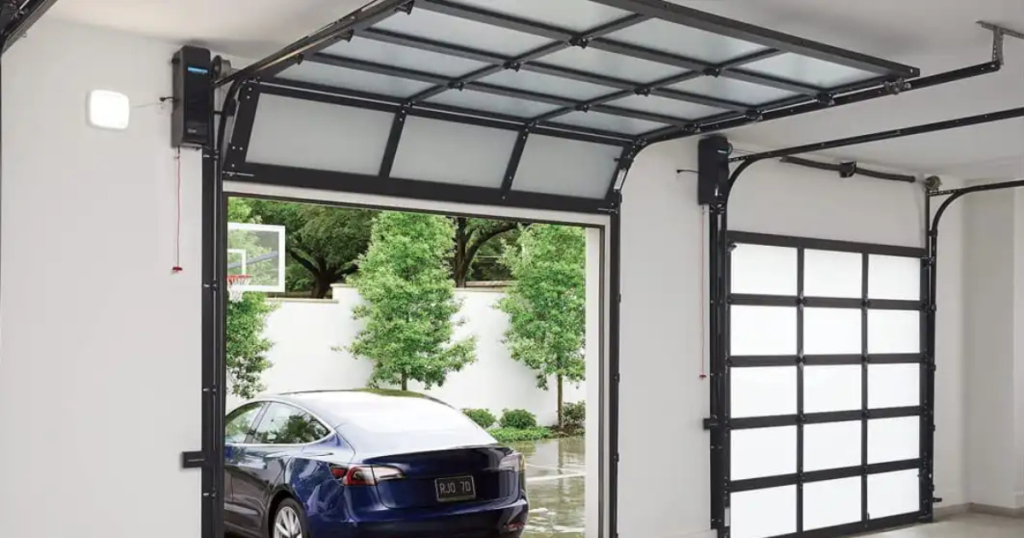
The 5 shocking reasons a LiftMaster garage door won’t close all point to specific problems with clear solutions every homeowner can identify and act on. Misaligned sensors, obstructions, an engaged lock, incorrect force settings, and a disconnected trolley each have a direct fix.
All About Doors specializes in diagnosing and repairing LiftMaster garage door systems for homeowners across Glen Burnie, MD, with honest assessments and experienced technicians. Contact us or give us a call today, and let our team pinpoint exactly which of these 5 reasons is behind the problem.
Frequently Asked Questions
How do I know if my LiftMaster remote is causing the door not to close?
Testing the wall button independently of the remote is the fastest way to isolate the issue. If the wall button closes the door but the remote does not, the problem is with the remote signal rather than the opener itself.
Does a tripped circuit breaker cause a LiftMaster garage door to stop closing?
Yes, a tripped circuit breaker cuts power to the entire opener, preventing the door from responding to any command. Resetting the breaker and testing the GFCI outlet near the garage restores power and allows normal operation to resume.
What does it mean when a LiftMaster garage door reverses before reaching the floor?
Reversal before the floor is almost always caused by incorrect force settings or miscalibrated travel limits. Making small adjustments to the close force dial on the motor unit and testing after each change brings the system back into the correct range.
How do I know if my LiftMaster opener has entered lock mode?
Lock mode disables all remote commands while keeping the wall button functional, and the lock mode indicator on the wall control lights up when it is active. Pressing and holding the lock button on the wall control for a few seconds deactivates lock mode and restores remote operation.
Where can I find specific troubleshooting steps for my LiftMaster model?
Reviewing the Liftmaster 8165w manual or the manual for your specific model provides step-by-step guidance for diagnosing issues specific to your unit. Model-specific manuals cover light codes, force adjustment locations, and programming steps that vary between units.
Can signal interference stop a LiftMaster garage door from closing?
Yes, wireless devices, LED light bulbs, and neighboring systems can all disrupt the signal between the remote and the opener. Learning how to change the frequency of a garage door opener resolves most interference-related closing failures without requiring any hardware replacement.
What does it mean when a LiftMaster beeps every 30 seconds?
When a Liftmaster beeps every 30 seconds, it is almost always signaling that the battery backup is low and needs to be replaced. Replacing the backup battery in the motor unit stops the beeping and restores the backup power function.
Can a LiftMaster garage door stop closing due to a problem with the logic board?
Yes, a damaged or faulty logic board can prevent the opener from completing any command, including closing. Logic board issues are best handled by a professional, as the board controls every function within the motor unit.
What are the most common LiftMaster garage door opener issues that lead to a door not closing?
Misaligned safety sensors, a disconnected trolley, and incorrect force settings are the most frequent LiftMaster garage door opener issues that stop a door from closing completely. Addressing these three causes first covers most closing failures, then moving on to less common problems.