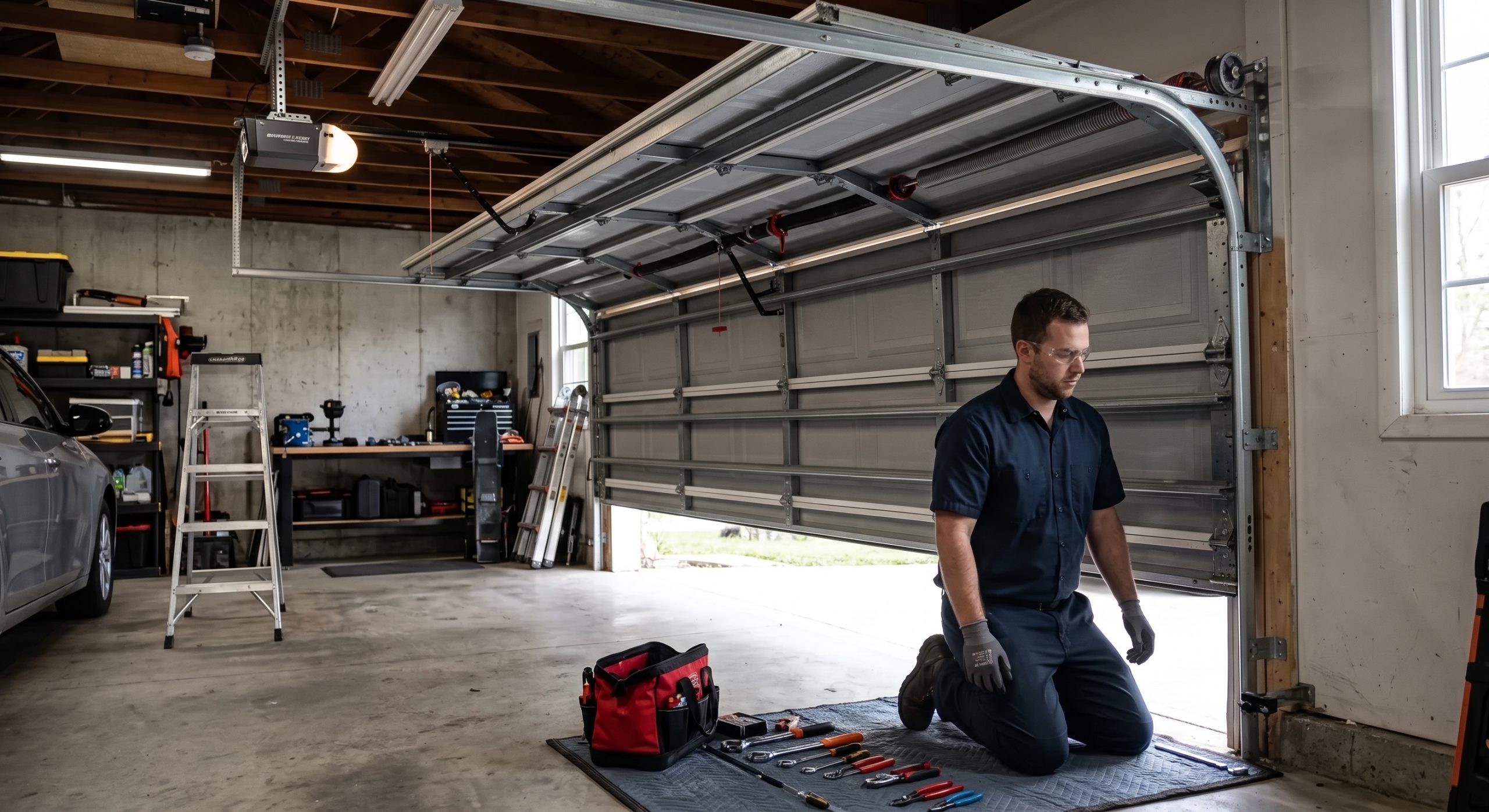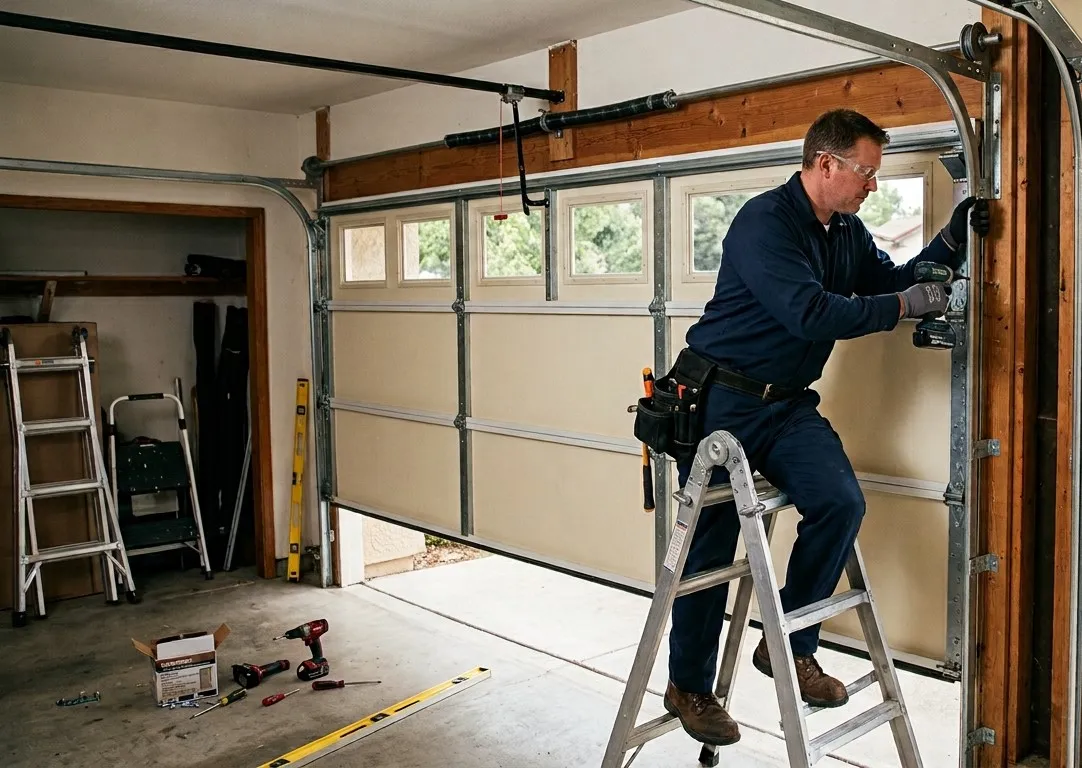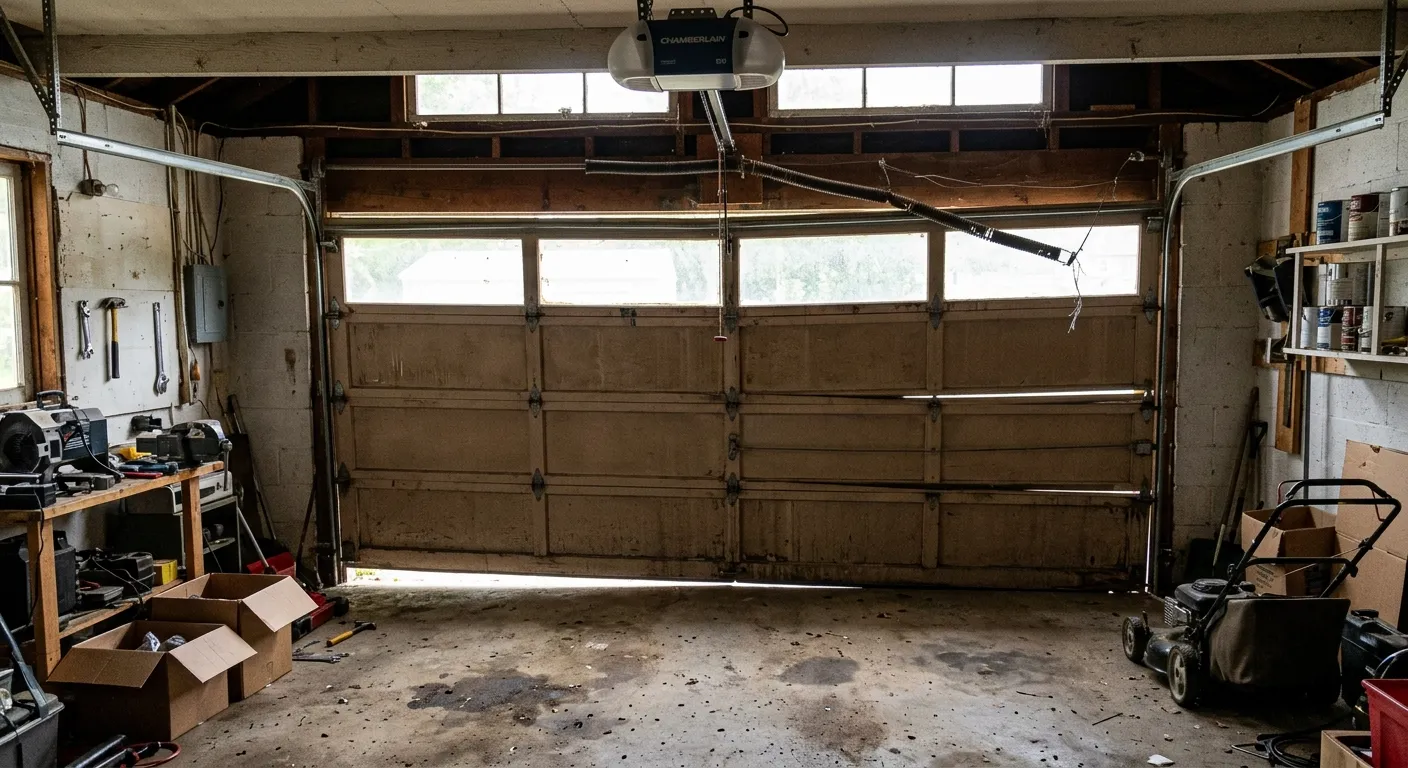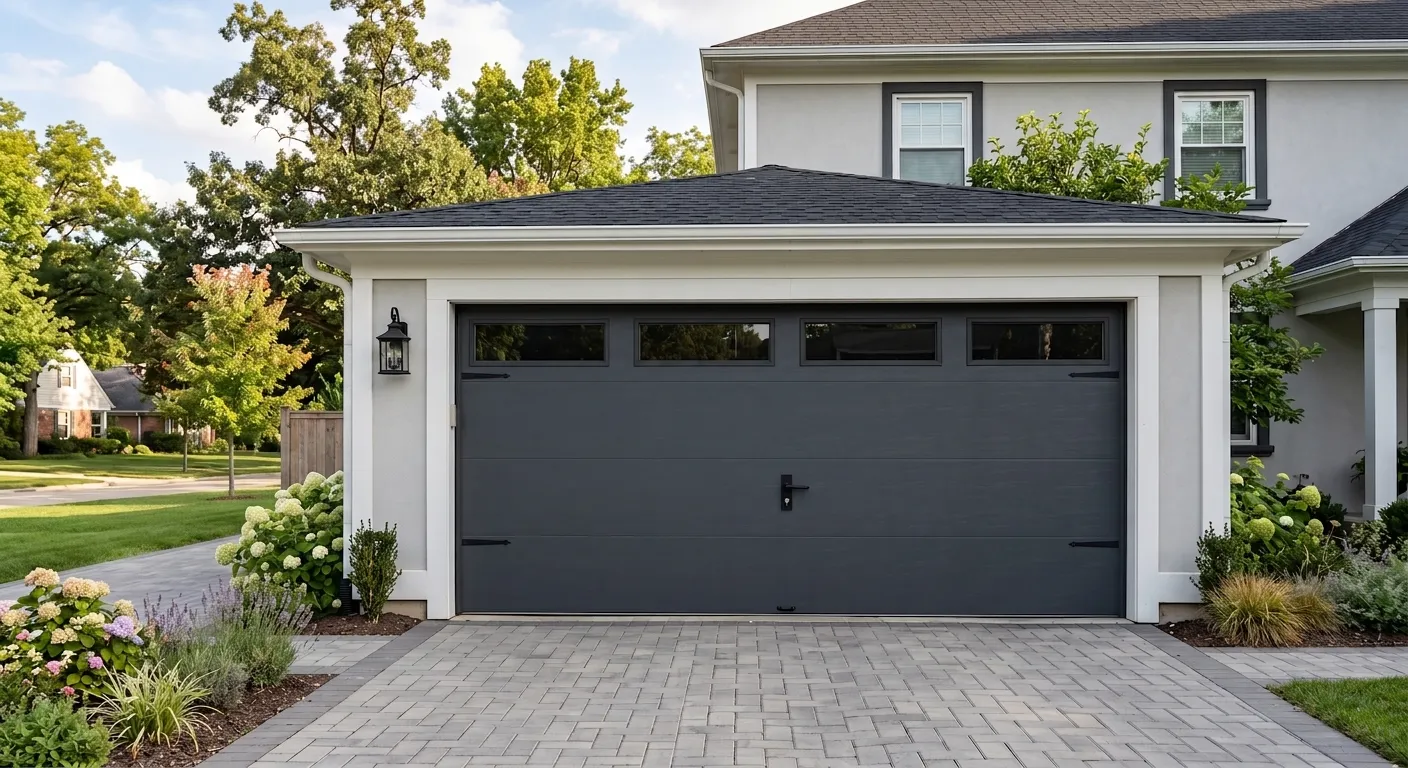
A garage door is due for replacement once ongoing repairs no longer fix the underlying damage, leading to repeated failures. Years of daily lifting and constant temperature shifts place steady strain on springs, panels, and openers, which reduces how well each part performs over time.
Noticing these warning signs early on helps distinguish a fixable issue from a full garage door replacement, which homeowners should not delay any longer than necessary. This guide walks through what to look for so a sudden failure does not occur without warning and disrupt daily routines at home.
Why Do Garage Doors Need Replacement Over Time?
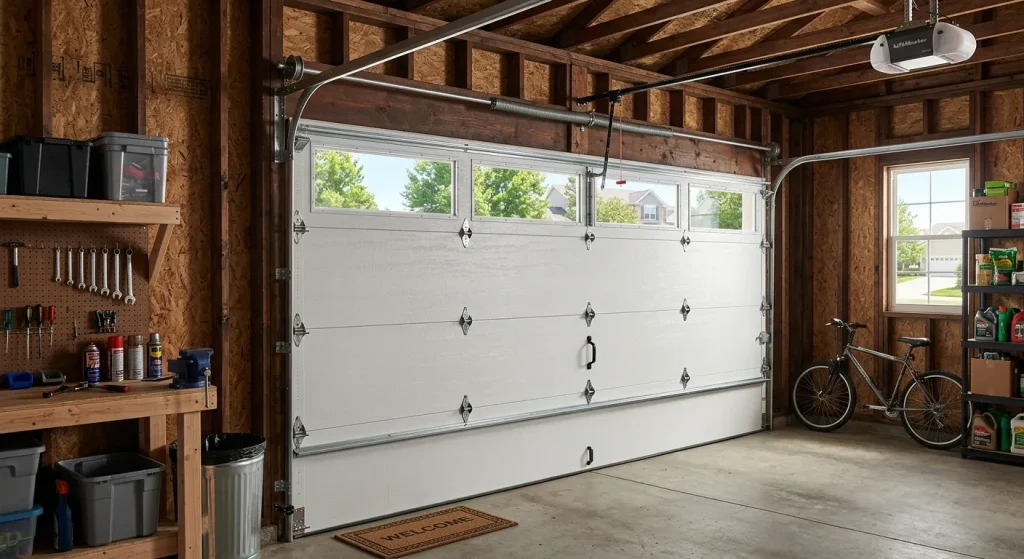
A garage door rarely fails from a single cause, as years of daily lifting slowly wear down springs, panels, tracks, and hardware in different ways and at different rates until the effects start to show up together.
Here is a closer look at what drives most garage doors toward eventual replacement:
- Springs lose tension gradually after supporting the same weight for years
- Panels shift out of alignment as tracks and rollers wear unevenly
- Openers strain harder to lift a door that no longer moves smoothly
- Weatherstripping and seals break down from constant outdoor exposure
- Hinges and rollers wear past the point where repairs help
To understand how these wear factors lead to specific warning signs before a full breakdown, read our guide on Common Causes of Garage Door Replacement, which explains how each cause develops and what typically follows.
Signs of a Garage Door That Needs Replacing
Advanced Age and Material Fatigue
Years of daily use wear down a garage door’s parts in ways that are not always visible from the outside, even when the surface still looks presentable.
Age tends to show up in a few recognizable ways:
- Steel panels often hide weakened frames behind an intact-looking exterior
- Fifteen to twenty years of use pushes most doors past their functional range
- Older models frequently lack the safety features found in newer designs
- Manual systems from decades past rarely match the smooth motion of current openers
- Hardware and cables installed years ago often show fatigue long before panels do
Comparing a door’s current performance against its expected lifespan reveals how much reliable service it likely has left.
Sagging or Warping Panels
Panels that no longer sit evenly against the frame point to a structural issue developing beneath the surface, not just a surface-level flaw that paint can fix.
Misalignment usually appears in one of these forms:
- Visible gaps beneath a closed door signal misaligned panels
- One-sided sagging often means the counterbalance has shifted out of position
- Maryland humidity warps wood panels faster than other materials
- Warped sections disrupt smooth travel along the tracks
- Panels that stick or catch during movement often trace back to warping
Checking for gaps or uneven movement once a season helps homeowners catch this kind of shift before it spreads to other parts of the door.
Rising Energy Bills From Poor Insulation
Indoor temperature control in an attached garage depends heavily on how well the door seals against outside air year-round.
Poor insulation tends to surface through these patterns:
- Uninsulated doors let outdoor temperatures pass directly into the garage
- Attached HVAC systems face added strain from an uninsulated space
- Garage door insulation helps maintain steadier indoor temperatures
- Insulated models ease the load placed on heating and cooling equipment
- Temperature swings in the garage often affect nearby rooms sharing a wall
Reviewing energy bills alongside garage temperature swings often points homeowners straight to the door as the likely source of the increase.
Frequent Breakdowns and Repair Costs
Repeated service calls for the same part of a garage door often point to a problem that no single repair fully resolves.
A pattern of recurring issues usually looks like this:
- Multiple spring or track repairs within one year suggest a deeper cause
- Recurring issues after a repair often mean the root cause went unresolved
- Several visits in one season rarely fix the underlying problem
- Accumulated garage door repair costs can approach the price of a new installation
- Technicians noting the same part failing again signal a system nearing its limit
Logging each repair date and cost over the course of a year makes the pattern easy to spot and act on before expenses climb further.
Unusual Noises During Operation
Sound often reveals mechanical trouble on a garage door before any visible signs appear elsewhere on the unit.
Different noises tend to point to different causes:
- Grinding noises typically point to worn rollers or hinges
- A sudden bang during operation frequently signals a failing spring
- Squeaking that persists after lubrication suggests worn parts
- Rising noise levels over several weeks rarely improve on their own
- Rattling during movement often points to loose hardware along the track
Listening closely during a normal open-and-close cycle each month helps homeowners catch new sounds early and address them before they worsen.
Lack of Safety Features or Sensor Failures
Safety technology in older garage door openers often falls short of the standards built into current models.
Sensor and safety issues commonly appear as follows:
- Auto-reverse functions may be missing from openers installed decades ago
- Photo-eye sensors that miss obstacles create real risks for children and pets
- Unexpected reversals during operation call for prompt professional evaluation
- Outdated safety features may not meet current manufacturer recommendations
- Sensors that flicker or fail intermittently often signal wiring issues
Testing the auto-reverse function and sensor response once a month confirms the safety system still works as intended.
Cosmetic Damage, Rust, and Rot
Surface damage on a garage door often signals problems that extend beyond appearance alone and into the door’s structure.
Visible wear tends to develop in these ways:
- Rust spreads quickly once a steel door’s coating starts breaking down
- Wood rot weakens structural support and lets moisture reach deeper into the panel
- Dents affect curb appeal while also loosening the door’s seal
- Vinyl resists rust and rot better than steel or wood, though cold can crack it
- Peeling paint or finish often exposes the material underneath to further damage
Inspecting panels closely each season for rust spots or soft wood keeps small damage from spreading unnoticed into a larger repair.
Risks of Delaying Garage Door Replacement
Postponing a garage door replacement allows small mechanical issues to compound into bigger safety and financial concerns over time.
Waiting too long carries a few specific consequences:
- Worn springs under tension can snap without warning during normal use
- Heavy panels falling unexpectedly pose a real danger to anyone standing nearby
- Frayed cables increase the chance of a sudden, uncontrolled door drop
- Poor insulation keeps pushing energy costs higher month after month
- Repeated repairs on an aging door often add up to more than the cost of full replacement
Weighing these risks against the price of a new door often makes replacement the more practical choice sooner rather than later.
What to Check Before Replacing a Garage Door
Before deciding on a full replacement, a few key checks can confirm whether repair is still a realistic option.
A quick inspection should cover a few key areas:
- Tracks showing rust, dents, or misalignment often signal bigger issues ahead
- Weatherstripping with visible gaps or cracks no longer seals properly
- Grinding or squeaking during a normal cycle points to worn parts
- Panels with sagging, warping, or moisture damage rarely respond to minor fixes
- Three or more repairs within a year usually favor replacement over continued patching
Running through these checks gives homeowners a clear basis for deciding between another repair and a full garage door replacement.
How to Choose a Long-Lasting Garage Door
Selecting a new garage door involves weighing material, climate, and style against long-term durability and upkeep.
Durability depends on a few key factors:
- Steel offers strength with relatively low maintenance over the years
- Wood delivers a classic look but needs more upkeep against moisture
- Carriage house styles pair traditional design with modern, durable materials
- Vinyl resists Maryland’s humidity better than untreated wood or bare steel
- Insulated models handle temperature swings more effectively than non-insulated options
Matching the material and style to Glen Burnie’s climate helps a new garage door last for years to come.
When to Call a Professional for Garage Door Replacement
Garage door problems involving springs, wiring, or heavy panels go beyond typical DIY skills and call for trained hands and proper tools.
A professional becomes necessary in these situations:
- Torsion springs under high tension require specialized tools to handle safely
- Aligning tracks and panels correctly demands experience most homeowners lack
- Opener wiring and electrical connections need a trained installer’s attention
- Full door replacements often require more than one person to lift and position panels
- Persistent issues after multiple repair attempts usually point to a deeper problem
Recognizing these warning signs early helps avoid injury and costly mistakes during a garage door replacement.
What a Professional Garage Door Replacement Process Involves
A professional garage door replacement follows a structured sequence, from removing the old door to testing safety features before completion.
The typical process includes these steps:
- Technicians disconnect the opener and release spring tension before removing old panels
- Old tracks, hinges, and hardware get cleared to prepare for the new installation
- New tracks, springs, and panels get mounted according to the manufacturer’s specifications
- Automatic openers and safety features get tested before the job is considered complete
- A final walkthrough confirms the door opens, closes, and seals correctly
To recognize how each step in this process shapes the final result homeowners can expect, read our guide on How Pros Handle Garage Door Replacement, which breaks down the timeline and what happens at every stage.
Maintenance Tips After Garage Door Replacement
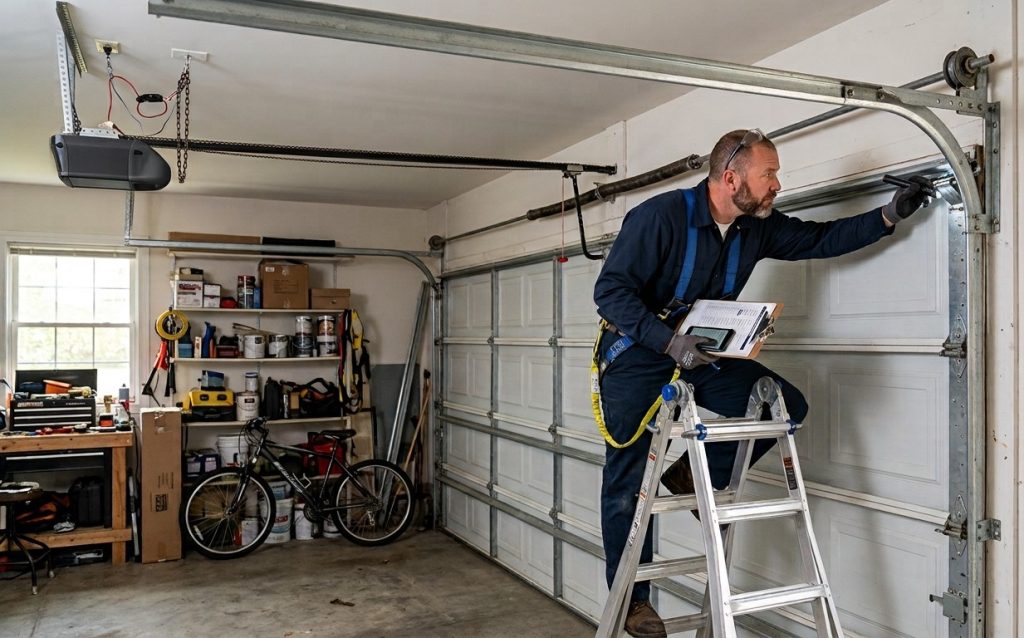
Proper upkeep and regular attention after a garage door replacement keep the new system running smoothly for years to come.
Simple maintenance habits go a long way:
- Lubricating hinges and rollers every few months keeps the operation smooth
- Checking weatherstripping regularly helps maintain energy efficiency
- Testing the auto-reverse safety feature confirms the opener still functions correctly
- Keeping the tracks clear of debris prevents unnecessary strain on the motor
- Watching for new noises or slower response times catches problems early
To identify which maintenance habits matter most for extending a new door’s lifespan, read our guide on Garage Door Replacement Maintenance Tips, which covers routine checks and early warning signs to watch for.
Know When It’s Time to Replace Your Garage Door
Every garage door reaches a point where repairs no longer address the underlying wear, and recognizing that point early prevents bigger problems down the road. Knowing which signs indicate a replacement, what the professional process involves, and how to maintain a new door keeps homeowners prepared for years to come.
All About Doors supports Glen Burnie, MD homeowners in spotting the early signs of an aging garage door and moving forward confidently with the right upgrade for their home. Contact us or give us a call today, and let our experienced team help determine whether a new garage door is the right move for the home.
Frequently Asked Questions
What are the main signs that indicate I need a garage door replacement?
Common signs you need a new garage door include sagging panels, frequent breakdowns, and visible rust or rot. Multiple signs appearing together usually mean it's time to replace garage door components rather than continue repairs.
Can I install a new garage door by myself, or should I hire a professional?
No, professional installation is strongly recommended for this type of project. Garage door installation involves heavy components and spring tension that can cause serious injury without proper tools and training.
What factors affect the price of a garage door replacement?
Door size, material, insulation, and features like automatic openers all affect final pricing. Labor, site conditions, and any necessary adjustments to the frame can also further increase the total cost.
Which types of garage doors are best for durability and security?
Steel and insulated doors generally offer strong durability and security for most Maryland homes. Carriage house styles combine classic looks with modern materials for added strength and long-term performance.
How long does it usually take to replace a garage door?
Most standard installations take a few hours to complete, often within a single day. Double doors, custom orders, or additional structural work may take slightly longer, depending on the job's overall scope and complexity.
Is it necessary to replace my garage door opener when installing a new door?
No, replacing the opener is not always necessary for every installation. Older openers may not be compatible with a new door's weight or current safety standards, and we assess compatibility during an inspection.
Are there local garage door replacement services near Glen Burnie, MD?
Yes, we proudly serve Glen Burnie and the surrounding Maryland communities with reliable service. Our team handles everything from full garage door replacement to opener upgrades and repairs.
What is included in a standard garage door replacement service?
Service typically includes removing the old door, installing new hardware, and performing full opener testing. A final safety check confirms the system works properly before the job is considered complete.
How can I choose the right garage door for my home?
Consider the home's style, weather conditions, insulation needs, and overall budget when deciding when should you replace your garage door versus repairing it. Our team can walk homeowners through customization options to find the best overall fit.