A garage door reaches the point of replacement when cumulative wear, storm or impact damage, material deterioration, outdated safety features, or poor insulation compromises its functionality. Each of these causes builds up differently, but all of them push a garage door past the point where repair still makes sense.
Recognizing which cause applies to a specific door helps clarify the next steps. Understanding how these issues tend to develop over time makes it easier to know when a repair will hold and when a full garage door replacement becomes the more practical choice.
What Signs Point to a Failing Garage Door?
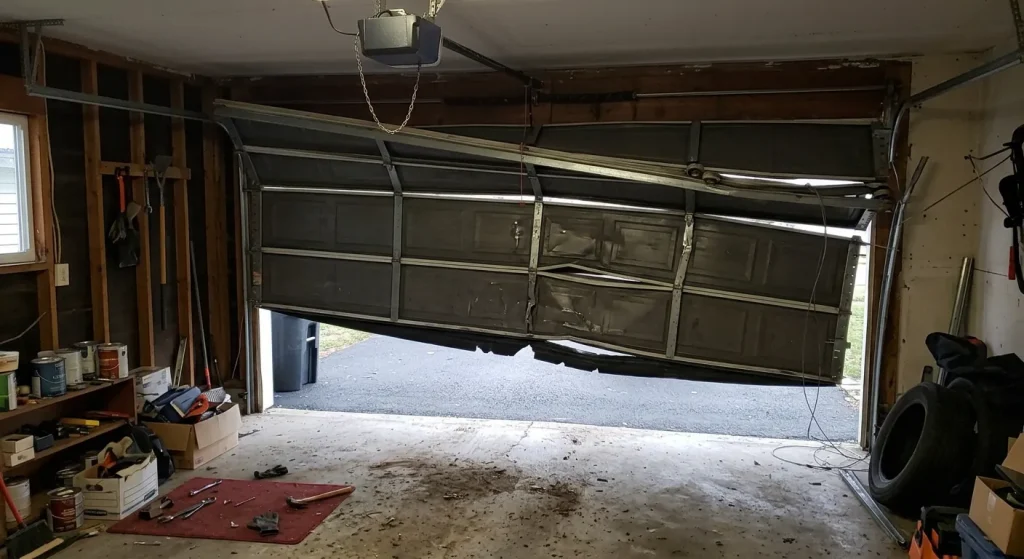
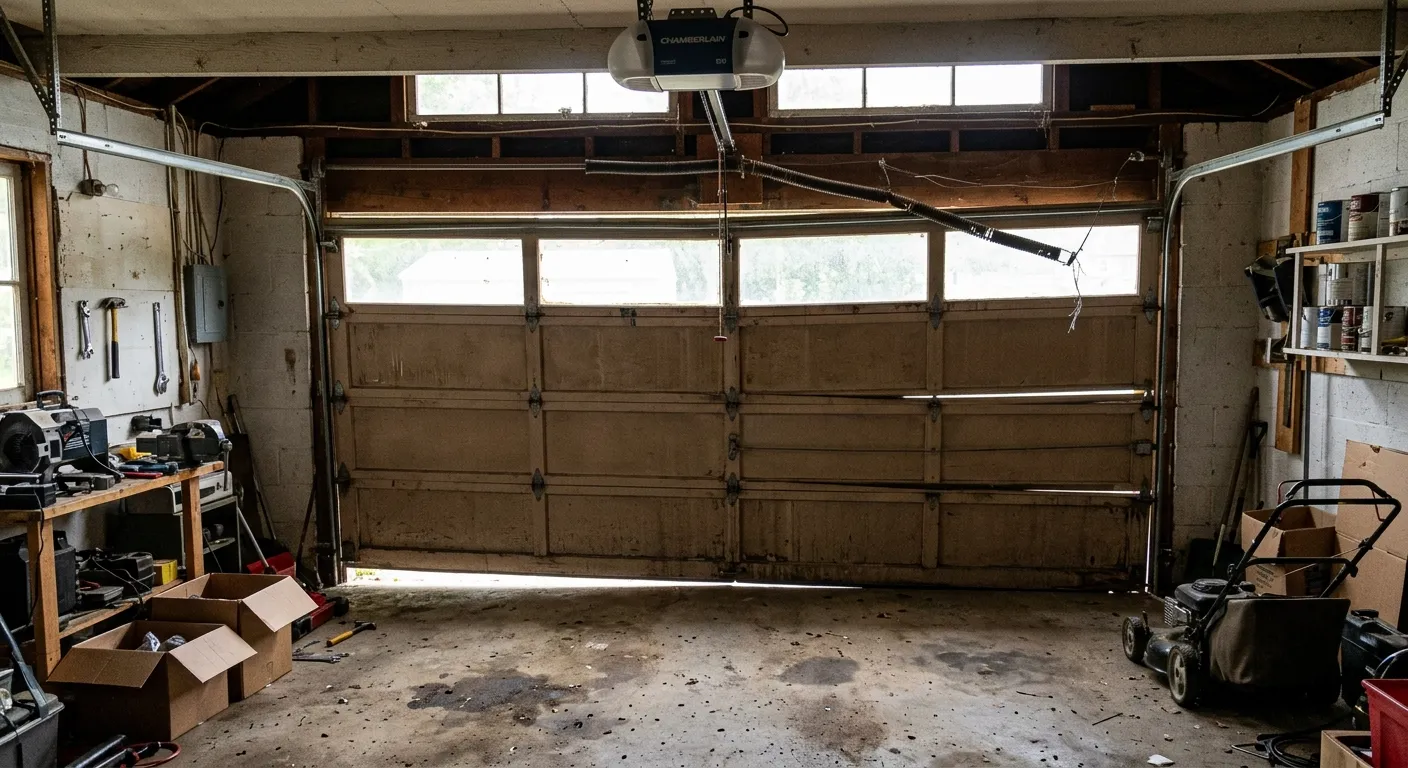
A garage door rarely fails without warning, as small changes in sound, speed, balance, or appearance usually surface well before the entire system reaches a full, often costly breakdown.
A struggling door usually gives itself away through a mix of these signals:
- The door hesitates, jerks, or stalls partway through opening or closing.
- Panels show visible dents, cracks, or warping along the surface.
- Rust spots appear near the bottom panel or along the hinges.
- Gaps form along the bottom or sides when the door is fully closed.
- The garage door opener struggles to lift the door or reverses unexpectedly.
To understand how these early warning signs connect to the bigger picture of garage door failure, read our guide on When to Replace Garage Door: Signs It’s Time for an Upgrade, which explains how each sign points to a specific underlying cause.
What Causes Garage Door Replacement in the First Place?
Cumulative Wear and Tear on Moving Parts
Daily lifting cycles put steady mechanical stress on the springs, rollers, and hinges that keep a garage door moving smoothly.
Wear tends to show up through these patterns:
- Hinges loosen at the pivots, allowing extra movement.
- Rollers develop flat spots that create noise and uneven travel.
- Torsion springs lose tension gradually before snapping under load.
- Cables stretch past their original length and fray at contact points.
- Weatherstripping cracks and stops sealing the door properly.
Checking these parts twice a year helps homeowners spot early wear before it changes how the whole door moves.
Severe Panel and Structural Damage
A single strong impact can compromise a garage door’s structure in ways that gradual wear never can.
Structural damage typically comes from:
- Vehicle collisions that dent or cave in a lower panel.
- High wind storms that drive debris into the surface.
- Falling branches or sports equipment that cracks a section.
- Panel damage that throws off the door’s overall balance.
- Misalignment between panels that breaks the seal against the frame.
Inspecting panels after any storm or impact helps homeowners catch structural shifts while they are still isolated to one area.
Material Degradation From Rust, Rot, and Warping
Every garage door material reacts differently to Maryland’s humidity, and that reaction determines how fast it breaks down.
Material-specific damage tends to appear as:
- Wood panels that splinter or rot due to repeated exposure to moisture.
- Steel panels that develop rust along seams and lower edges.
- Aluminum frames dent easily and lack the strength of steel.
- Vinyl panels that resist rust but crack in extreme cold.
- Rust that spreads beneath the paint layer before becoming visible.
Wiping down panels and checking seams each season helps homeowners spot rust or rot while it is still limited to the surface.
Outdated Safety Features and Building Codes
Older garage doors were often built to safety standards that no longer meet current building codes.
Outdated safety features often include:
- Missing auto reverse sensors on doors made before 1993.
- Absence of pinch-resistant panel designs found in newer models.
- Openers without rolling-code technology to prevent signal theft.
- Tracks that lack modern reinforcement standards.
- Manual release mechanisms that no longer function as intended.
Reviewing a door’s safety features against current codes helps homeowners understand what upgrades their system may be missing.
Poor Insulation and Energy Efficiency Problems
Insulation quality shapes how much a garage affects the temperature of the rooms located around it.
Poor insulation tends to create these effects:
- Attached garages that feel noticeably colder or hotter than the home.
- Higher energy bills during extreme seasonal temperature swings.
- Condensation buildup that contributes to rust and moisture damage.
- Noise levels that increase without a dense, insulated core.
- Reduced comfort in rooms located above or beside the garage.
Comparing energy bills across seasons can reveal whether a garage door’s insulation is pulling its weight.
What Happens When These Problems Go Unaddressed?
Ignoring early signs of garage door trouble rarely keeps a problem contained, since one worn part usually starts pulling others down with it.
Unaddressed problems tend to lead to:
- Minor wear spreading to nearby rollers, tracks, and hardware.
- Small dents weaken a panel’s structural integrity over time.
- Springs and cables fail simultaneously rather than separately.
- Openers strain harder and burn out sooner than expected.
- Gaps and misalignment create easier entry points for pests or intruders.
Letting even one small issue sit for too long almost always increases both the safety risk and the eventual cost of a garage door repair or full replacement.
When Does Garage Door Damage Require a Professional?
A garage door issue crosses into professional territory once repair alone can no longer resolve what is actually going wrong underneath.
Professional help typically becomes necessary when:
- Damage spreads across multiple panels rather than staying isolated to one.
- The door frame shifts or warps enough to throw the entire structure off.
- Springs, cables, and rollers all show significant wear during the same period.
- The opener continues to struggle even after routine adjustments.
- Repair costs climb to nearly the cost of a full replacement.
Recognizing these signs early gives homeowners a clearer sense of whether a technician or a new installation is the better next move.
How Do Pros Restore or Replace a Damaged Door?
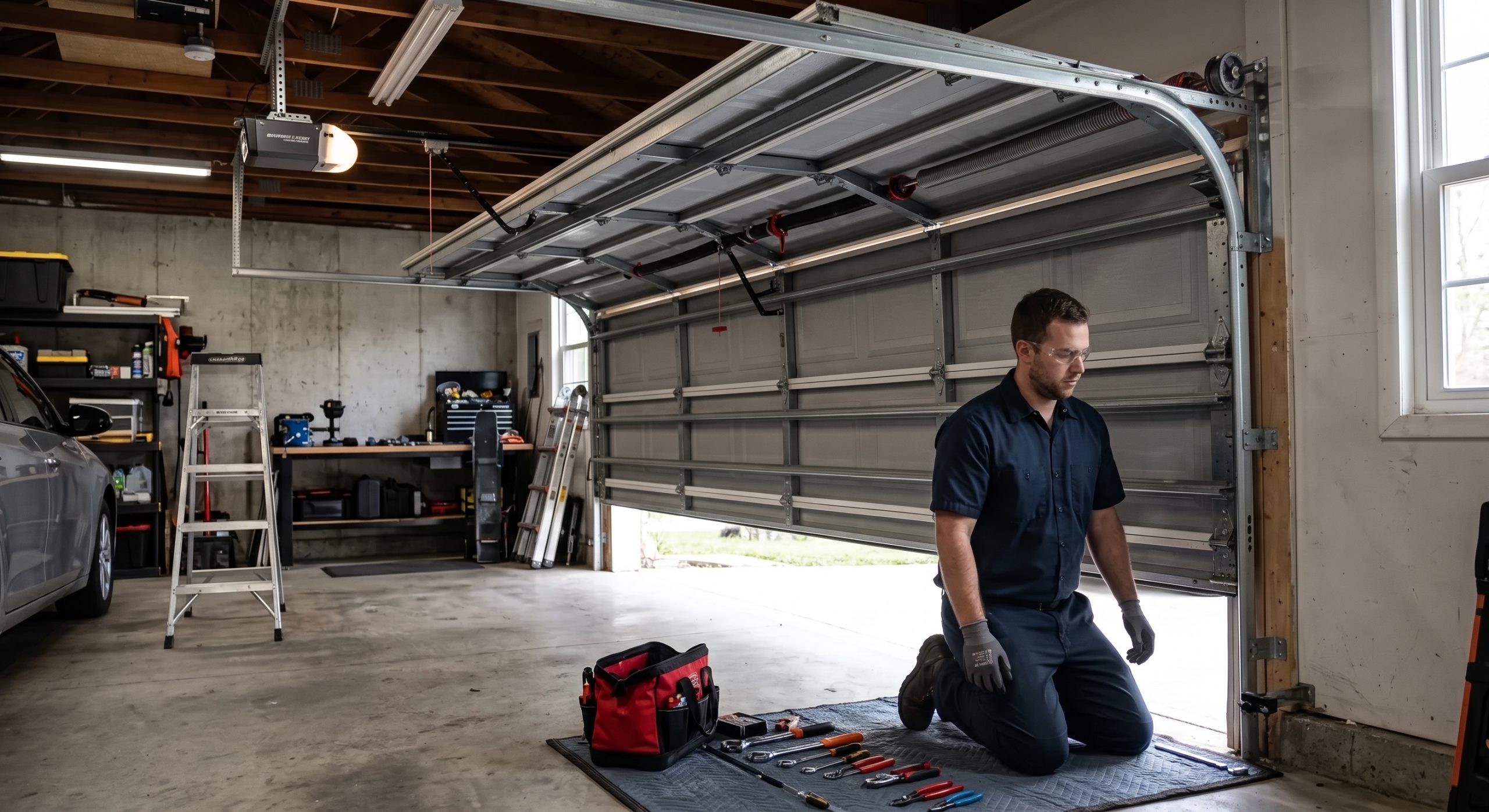
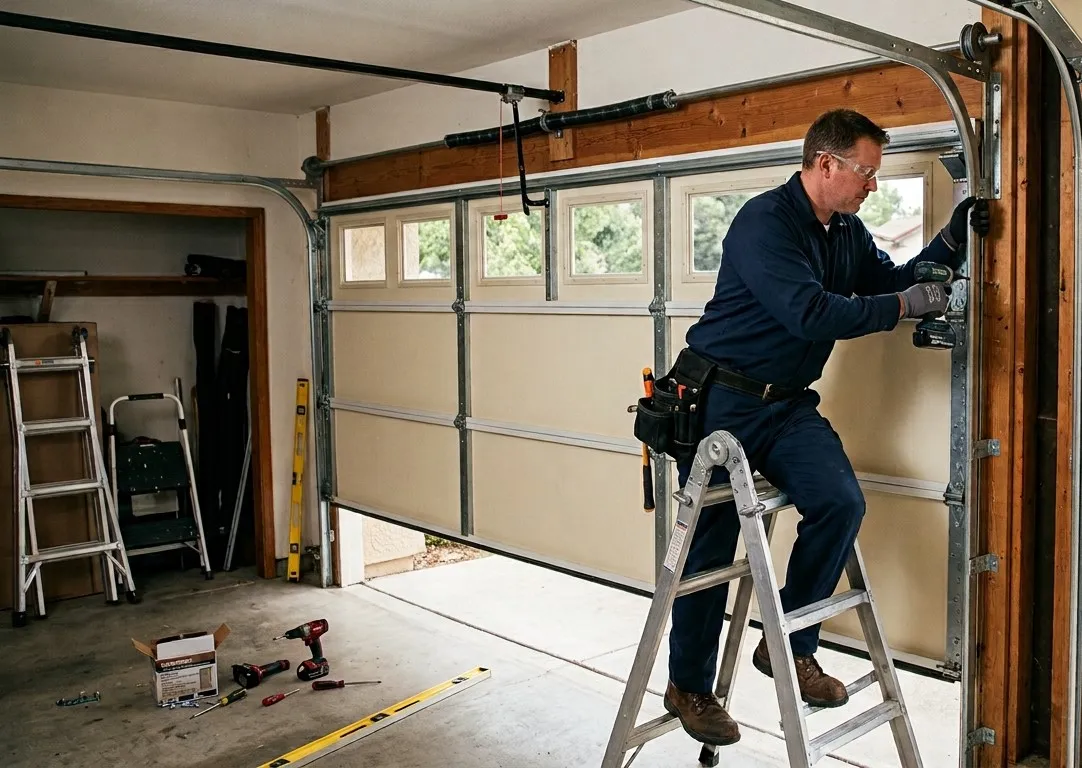
A professional garage door service starts with a full inspection to determine whether repair is realistic or a full replacement makes more sense long term.
A typical professional assessment involves:
- Checking the balance and alignment of the entire door system.
- Testing the automatic opener for proper function and response time.
- Inspecting springs, cables, and hinges for wear or damage.
- Reviewing the insulation and weatherstripping condition throughout the frame.
- Confirming whether the existing structure can support a new installation.
To learn how professionals handle every stage of this process, from evaluation to final installation, read our guide on How Pros Handle Garage Door Replacement, which breaks down what homeowners can expect at each step.
How to Prevent Early Garage Door Replacement
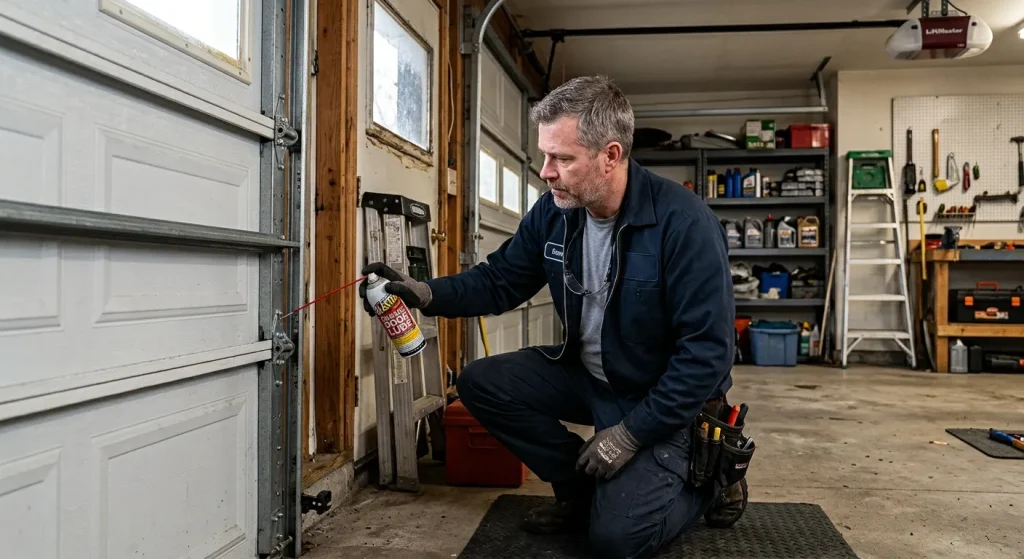
Routine attention to a garage door’s condition can extend its lifespan and push back the need for a full replacement.
A few simple habits make the biggest difference over time:
- Schedule a yearly inspection to catch worn parts before they fail.
- Keep hinges and rollers lubricated to reduce friction and noise.
- Test the opener’s sensors and reverse function regularly.
- Address small rust spots or dents before they spread further.
- Keep tracks clear of dirt and debris that can cause misalignment.
To explore practical upkeep habits that keep a garage door running smoothly for years, read our guide on Garage Door Replacement Maintenance Tips, which covers the maintenance routines that matter most.
Never Underestimate the Causes Behind Garage Door Replacement
A garage door endures years of daily use, weather exposure, and mechanical strain that together determine when replacement becomes necessary. Recognizing these early causes, from worn springs to outdated safety features, helps homeowners plan ahead instead of facing a sudden breakdown.
All About Doors works with homeowners across Glen Burnie to pinpoint exactly which of these causes is affecting their garage door, then recommends a fix. Contact us or give us a call today, and let our team determine whether a repair or a full garage door replacement makes the most sense for your home.
Frequently Asked Questions
Does a heavier garage door mean it will last longer?
No, a heavier door does not automatically mean better durability or a longer lifespan. Weight depends on the common materials used in construction, not how long a door will last before garage door replacement becomes necessary.
How often should a garage door be inspected for wear?
Most professionals recommend a full inspection at least once a year. Regular checks help homeowners catch signs you need a new garage door before minor wear turns into a bigger issue.
Can a garage door be replaced without replacing the tracks?
In some cases, yes, especially if the tracks are still straight and free of damage. A technician can confirm during an assessment whether the existing tracks are compatible with a new garage door installation.
What is the average lifespan of a garage door before replacement is needed?
Most garage doors last between 15 and 30 years, depending on door type, usage, and maintenance. Knowing this range helps homeowners plan when should you replace your garage door rather than waiting for a sudden failure.
Do all garage door brands offer the same level of durability?
No, durability varies significantly between garage door companies and material choices. Some brands use thicker steel or better hardware, which affects how soon a homeowner may need to replace garage door panels or components.
Can pets or children be at risk from an aging garage door?
Yes, older doors without modern safety sensors can pose real safety risks to nearby pets and children. This is one of the reasons professionals prioritize outdated safety features when making replacement decisions.
Is noise a reliable indicator that a garage door needs replacement?
Yes, unusual noise often points to worn hardware or misalignment inside the system. Persistent grinding or popping sounds are commonly cited as signs that you need a new garage door, and addressing them early can help control overall repair costs.
Can a garage door replacement improve home security?
Yes, newer doors often include stronger materials and improved locking mechanisms compared to older models, along with modern conveniences like smart connectivity. This makes the decision to replace the garage door hardware relevant not only to function but also to overall home security.
Should both garage doors be replaced at the same time if only one is failing?
Not necessarily, since each door can be assessed and replaced on its own timeline. A professional can evaluate a single double door setup separately to determine if garage door replacement is needed for one or both.