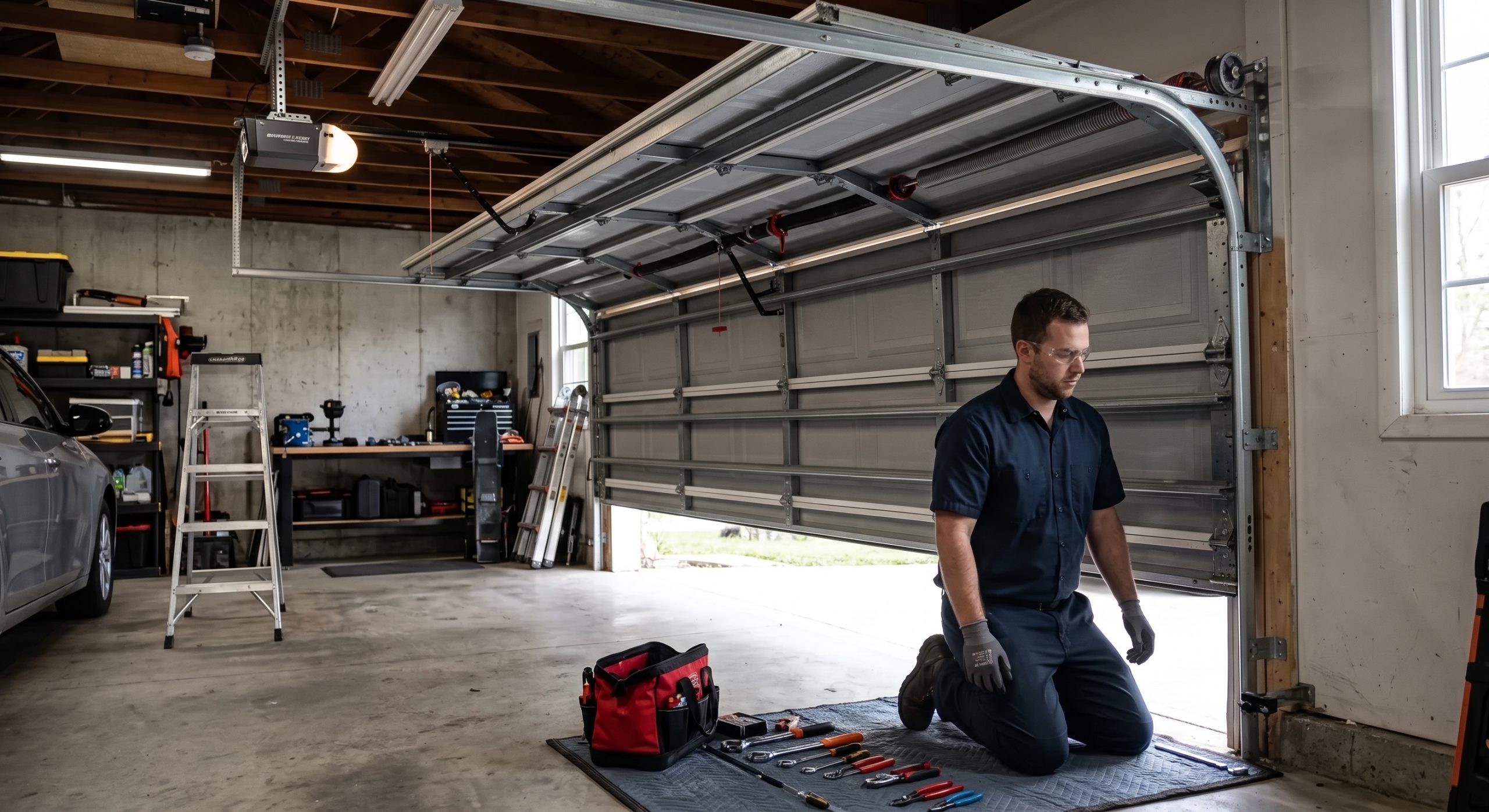
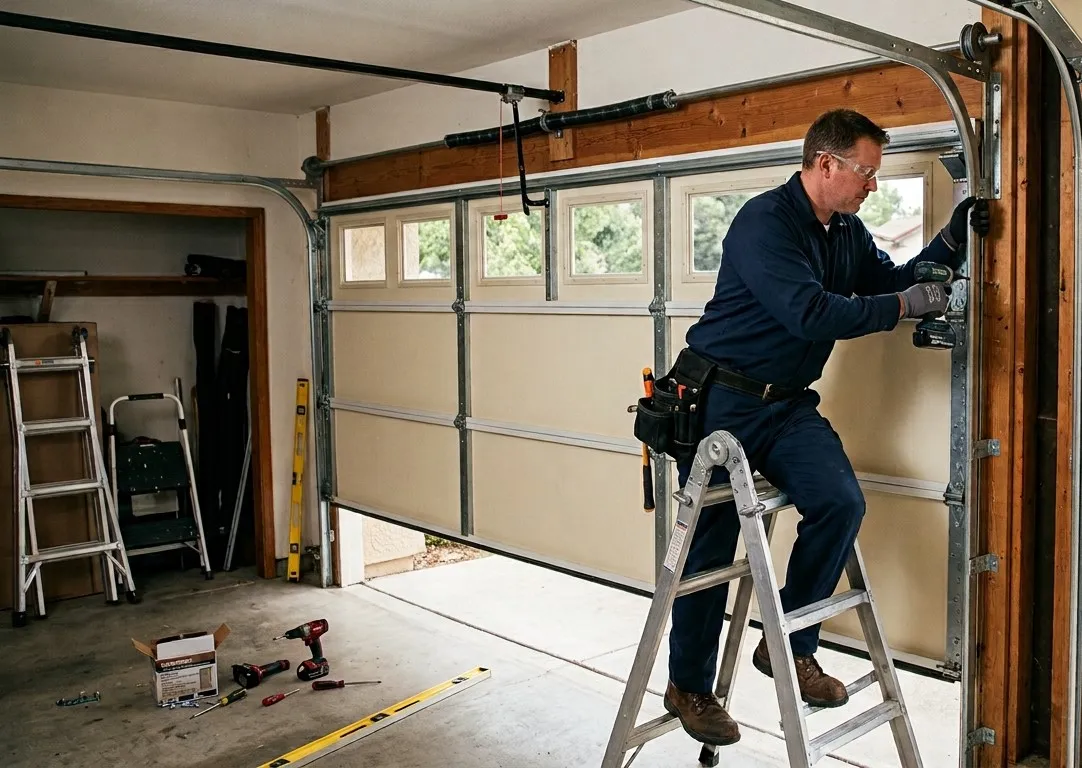
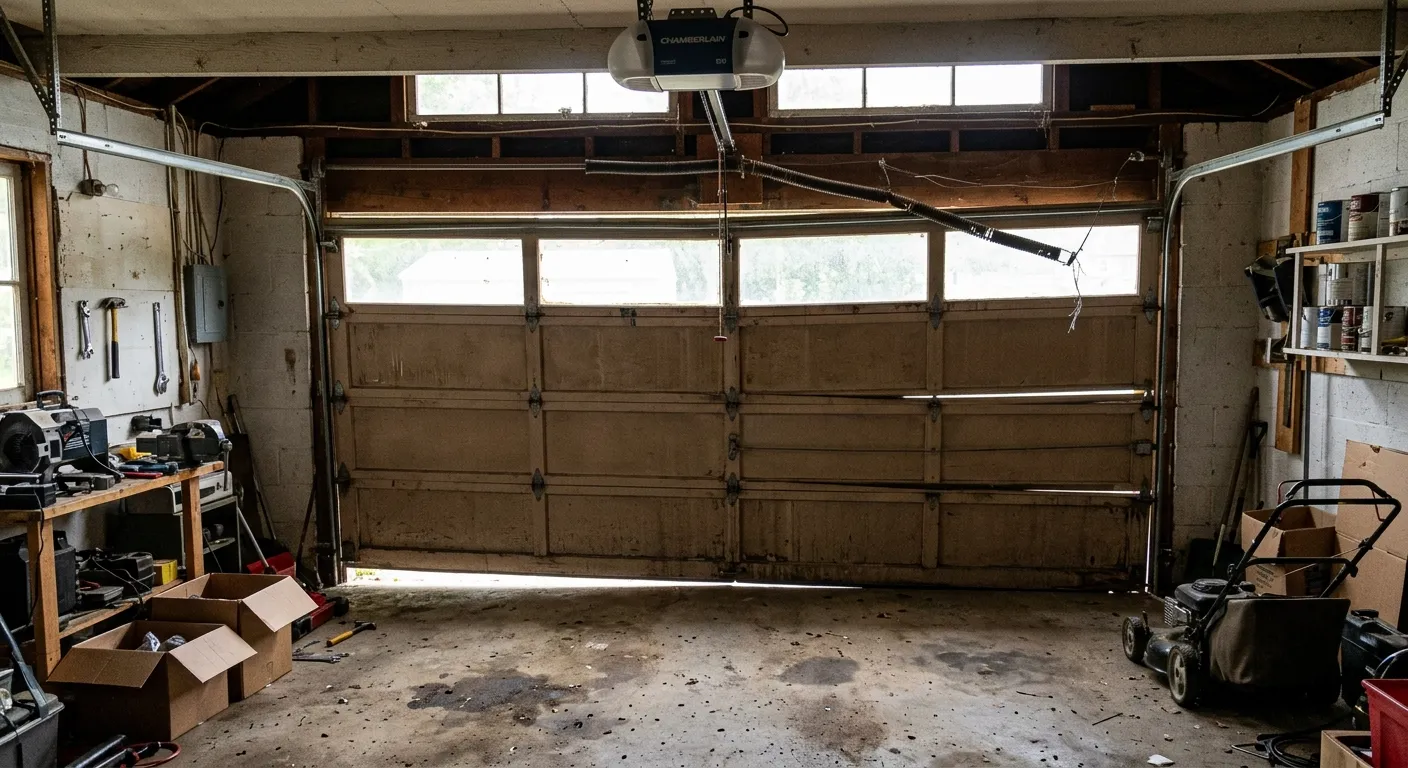
When a garage door begins to open and close more slowly than usual, it can be easy to dismiss it as a minor inconvenience. In many cases, however, reduced speed is an early indication that something within the system is no longer functioning as it should. Issues involving the motor, springs, or tracks can interfere with smooth operation, creating added friction and placing unnecessary strain on the door’s components.
Addressing this change promptly plays an important role in keeping the garage door reliable and safe to use, and timely garage door repair helps prevent added strain on the system. A professional inspection can identify the underlying cause of the slowdown before it develops into a more disruptive problem. By responding early, you reduce the likelihood of more extensive garage door repair later and help ensure the door continues to operate as intended without added stress or unexpected interruptions.
Why Slow Garage Door Movement Can Indicate the Need for Garage Door Repair
A garage door that moves slowly is more than a simple irritation. It usually signals that part of the system is no longer operating as it should. A properly functioning door opens and closes at a consistent, steady pace, so any noticeable slowdown suggests added resistance or mechanical strain. When this happens, the opener and other components are forced to work harder than intended, which places stress on the motor, springs, and moving hardware throughout the system.
Left unaddressed, this added strain can quickly lead to larger problems. What begins as a minor change in speed may progress into a situation that requires more extensive garage door repair. Understanding why a door is slowing down and recognizing when professional assistance is needed can help keep the system safe, reliable, and fully functional. The sections below explain the most common causes of slow movement and how these issues affect overall performance.
For more guidance on timing and warning signs, be sure to read our related blog, “When Should You Schedule Garage Door Repair?”
Common Issues That Often Lead Homeowners to Seek Garage Door Services
Many homeowners begin searching for garage door services when their door no longer operates smoothly. Slow movement is one of the most frequent concerns, often caused by components that have worn down or lost efficiency over time. As these parts degrade, the opener must compensate by exerting more effort, which reduces performance and places additional strain on the entire system.
Some of the most common causes of slow garage door movement include:
- Worn or dried rollers that no longer glide smoothly
- Springs that have lost tension or balance
- An aging or failing opener motor
- Panel damage that affects alignment and door balance
Without routine upkeep, these conditions tend to worsen. For instance, rollers that no longer move freely can create drag within the tracks, forcing the opener to pull rather than guide the door. This increased friction slows movement and accelerates wear on the tracks and motor, leading to further performance issues.
In Glen Burnie, MD, many garage door repair requests stem from these exact problems. Professional service helps restore proper function by addressing the underlying cause, which allows the door system to operate smoothly and consistently again.
Signs That Slow Operation May Require Residential or Commercial Garage Door Repair
Whether at a home or a business, a slow-moving garage door often indicates the need for professional attention. While the warning signs are similar in residential and commercial settings, they may appear more quickly in commercial environments due to heavier and more frequent use. Recognizing these indicators early can help prevent more disruptive failures.
Common warning signs include:
- The door hesitates or pauses while opening or closing
- Movement is noticeably slower in one direction
- Grinding, squealing, or strained noises during operation
- Shaking or jerking as the door travels along the tracks
- Blinking or flickering opener lights that suggest motor strain
These symptoms point to a system that is struggling to operate efficiently and may be nearing a breakdown. In some cases, the opener motor may be weakening, while in others the issue may involve springs, tracks, or alignment. Because residential garage doors and commercial garage doors rely on similar mechanisms, many of the same problems affect both. Professional evaluation helps identify the cause and restore dependable operation before the issue escalates further.
How Slow Movement Affects Overall Garage Door Performance
A garage door is one of the largest moving systems in both residential and commercial spaces, and the way it operates often reflects its overall condition. When a door begins to move more slowly than normal, it is usually a sign that something within the system is no longer functioning efficiently. This slowdown places added strain on key components such as the opener motor and the tracks, forcing them to work harder than they were designed to.
Over time, that extra strain accelerates wear across the entire system. Parts begin to degrade more quickly, reliability declines, and the risk of a complete breakdown increases. Without proper attention, what starts as reduced speed can lead to a door that no longer operates safely or consistently. A qualified professional can assess whether the issue can be corrected through repair or whether broader action is needed to restore dependable performance. Understanding how slow movement affects safety helps clarify when the situation becomes more serious.
For deeper insight into urgent warning signals, explore our related article, “What Signs Point to Immediate Garage Door Repair?”
The Impact of Delayed Operation on Safety and Everyday Use
A slow-moving garage door is more than a minor inconvenience. It can introduce safety concerns and disrupt daily routines in ways that are easy to overlook at first. When a door fails to move smoothly, it may hesitate, reverse unexpectedly, or stop mid-cycle. These behaviors can create unsafe conditions, especially if the door does not respond as expected when something is in its path or fails to secure the opening properly.
Slow operation can affect everyday use in several ways:
- The door may not close fully, leaving the property unsecured
- Inconsistent movement can increase the risk of contact with vehicles or people
- Access in and out of the garage becomes unreliable and frustrating
- Continued strain raises the likelihood of sudden component failure
Using a garage door that struggles to operate smoothly increases the chance of an unexpected malfunction. When parts are already under stress, failure can occur without warning, turning an inconvenience into a serious disruption. Clear guidance from knowledgeable professionals helps property owners understand these risks and take action before the situation escalates.
When Slow Movement May Signal the Need for Emergency Garage Door Repair
While slow movement alone is concerning, certain signs indicate the issue has reached a critical stage and requires immediate attention. Loud or harsh noises such as grinding, banging, or snapping during operation often point to a major component failure. When a door moves slowly while producing these sounds, it may no longer be safe to use.
Another serious warning sign occurs when the door stops moving altogether or remains stuck partially open. This creates both security concerns and operational problems for homes and businesses that rely on residential and commercial garage doors. Attempting to force the door in this condition can worsen the damage and increase the risk of injury. Situations like these call for a prompt professional response to stabilize the system and prevent further issues.
In these moments, quick evaluation by experienced technicians is essential to identify the cause and restore safe operation. Timely attention helps protect the property, reduce downtime, and bring peace of mind by addressing the problem before it leads to more extensive disruption.
Garage Door Repair Areas Commonly Linked to Slow Operation
When a garage door begins to move more slowly than normal, the cause is often tied to specific components responsible for lifting and guiding the door. In many cases, the issue lies within the lifting system or in how the door interacts with surrounding mechanical parts. Springs, cables, the opener, and the tracks all play a role in maintaining smooth movement, and when any of these elements are compromised, friction increases, or balance is lost. As a result, the opener must work harder, which contributes to sluggish performance.
Identifying the source of the problem early can prevent further strain on the system. Addressing issues related to the spring or cable function before they worsen helps reduce the risk of a more serious breakdown. When these concerns are left unresolved, additional components may be affected, leading to more extensive repairs down the line. The sections below explain how specific parts influence door movement and why targeted repairs are often necessary to restore proper operation.
To better understand how sounds relate to mechanical issues, check out our related post, “Can Noise Mean You Need Garage Door Repair?”

How Garage Door Spring Repair and Garage Door Cable Repair Affect Door Movement
Garage door springs carry much of the system’s workload by counterbalancing the door’s weight, allowing it to open and close with controlled effort. When springs lose tension or fail altogether, the door becomes significantly heavier, forcing the opener to compensate. This added resistance commonly results in slower movement and increased strain on the motor, which is why spring-related issues are frequently associated with reduced operating speed.
Cables work alongside the springs to keep the door level as it moves, guiding it smoothly along the tracks and industrial railings that support proper alignment. When a cable becomes worn, frayed, or displaced, the door may lift unevenly, creating drag and an unsteady motion. Even when other components remain intact, an imbalance caused by cable problems can lead to noticeable delays and jerking during operation.
While general upkeep supports smoother movement, worn springs or damaged cables cannot regain proper function without direct repair or replacement. Recognizing whether the issue stems from spring tension or cable alignment helps clarify the nature of the problem and allows technicians to address it more efficiently. These repairs are among the most common solutions used to correct slow garage door operation.
| Issue Area | Signs Pointing to the Problem |
| Garage Door Springs | The door feels unusually heavy; a loud noise occurred before the issue began; the door opens only partially and stops |
| Garage Door Cables | Visible fraying or broken strands; uneven or tilted movement; the door shifts out of its tracks |
Situations Where Garage Door Opener Repair or Garage Off-Track Repair Is Necessary
Slow garage door movement is sometimes tied to problems with the opener itself, especially when the motor has aged, internal gears have worn down, or the lifting mechanism no longer operates as it should. In these situations, the opener struggles to raise or lower the door, often producing a humming sound or showing visible signs of strain, and while minor adjustments may offer temporary improvement, significant wear typically calls for replacing the opener to restore smooth performance and improved safety. Slow movement can also occur when the door shifts out of its tracks, even slightly, which creates heavy friction and increases the risk of the door stopping or moving unpredictably. Because off-track conditions place extreme stress on the springs and cables, attempting to correct the issue without proper training can be dangerous. This type of repair requires experienced technicians who can safely realign the door, inspect surrounding components, and determine whether the issue is limited to roller alignment or involves additional damage that must be addressed to ensure the system operates safely again.
Noticing when a garage door begins to move slowly plays an important role in keeping your home secure and preventing larger issues from developing. Reduced speed often signals that something within the door or opener system is not functioning properly and may require prompt attention. As discussed, common causes include issues with springs, cables, or opener components, and addressing these concerns early helps restore smooth operation while extending the life of the system. Staying alert to changes in performance and responding quickly allows you to maintain dependable access to your garage and avoid unnecessary disruptions, and when slow movement or opener problems appear, turning to a knowledgeable professional can help return the door to normal, reliable operation.
For homeowners and businesses looking for dependable support, All About Doors is known for providing attentive service and clear guidance when garage door issues arise. Our experience with a wide range of door systems allows problems to be identified efficiently and handled with care, helping restore safety and smooth operation without unnecessary delays. If your garage door is showing signs of slow movement or other performance concerns, contact us today or give us a call to schedule a professional evaluation and take the first step toward reliable operation again.