You probably use your garage door every day without giving it much thought until it suddenly begins making odd or unfamiliar noises. A sharp squeal, a loud grinding sound, or persistent rattling can quickly catch your attention and cause concern for any homeowner in Glen Burnie. When this happens, it is natural to wonder whether the noise points to a minor issue or something more serious developing within the system.
Many people hope these sounds will fade on their own, but garage doors often make noise as a way of signaling that something is not working as it should. Understanding what these sounds may indicate helps you recognize when garage door repair is needed and can prevent a small issue from turning into a much larger problem over time.
What Garage Door Noises Can Reveal About Repair Needs
Garage door noises are more than a simple annoyance. They often provide clear insight into what may be happening inside the system. A properly functioning garage door should move smoothly and quietly, so when loud or unfamiliar sounds appear, they usually point to added friction, misalignment, or strain on key components. These sounds serve as early warnings, helping you recognize when garage door repair may be needed and allowing issues to be identified before they escalate into more serious failures.
Addressing unusual noise early can often limit the extent of the repair required. When sounds are ignored, small mechanical issues may place extra stress on other parts of the system, increasing the risk of widespread damage. Garage doors in Maryland homes rely on the same core components, all of which experience natural wear over time. Listening to how your garage door operates gives you valuable insight into its condition and helps protect an essential part of your home.
For a deeper look at timing and warning signs, explore our related blog, “When Should You Schedule Garage Door Repair?”
Common Garage Door Sounds and the Problems Behind Them
Different garage door noises can point to different types of problems, and the sound itself often provides clues about how serious the issue may be. A sharp bang, a grinding noise, or a persistent squeak are rarely random and usually indicate a mechanical concern involving the tracks, rollers, springs, or other moving parts. Recognizing these sounds can help clarify what may be happening within the system.
Some of the most common garage door noises and their typical causes include:
- Grinding or scraping: Often occurs when the door is misaligned within the tracks or when worn rollers scrape against metal surfaces.
- Popping or banging: A sudden loud noise may indicate a broken torsion spring or a component releasing built-up tension.
- Squeaking: High-pitched squeaks usually point to friction between moving parts, such as rollers or hinges.
- Rattling: Loose hardware, panels, or brackets can cause shaking or vibrating sounds during operation.
Ignoring these noises can lead to further damage. For example, continued use of worn rollers may cause unnecessary wear on the tracks, creating additional problems that affect the door’s overall movement and stability.
Why Certain Noises Often Point to Garage Door Repair
A garage door that operates correctly should remain balanced and relatively quiet throughout its movement. When that balance is disrupted, noise is often the first sign. Sounds such as grinding typically occur when metal components rub against each other, which signals wear, shifting parts, or breakage within the system. These conditions do not resolve on their own and usually indicate the need for garage door repair.
While an isolated sound may not always be a concern, recurring noise suggests an ongoing issue, especially with residential garage doors that are used daily. Garage door components are designed to handle significant pressure, and when one part begins to fail, others are forced to compensate. This added strain often leads to louder operation and accelerated wear. Over time, even a minor noise can grow into a serious malfunction, potentially causing the door to jam or come off its tracks. Paying attention to these warning signs and seeking professional evaluation can help prevent extensive damage and keep the garage door operating safely and reliably.
Repair Issues That Commonly Cause a Noisy Garage Door
Certain repair issues are well known for causing a garage door to become louder during operation. Problems involving the springs, cables, or the opener often affect how smoothly the door moves, and when these components begin to wear or fail, noise is usually one of the first signs. Aging springs may produce a deep groaning sound as tension shifts, while an opener experiencing mechanical strain can create grinding or humming noises that are hard to ignore.
Experienced technicians in Glen Burnie are trained to identify these issues quickly. Whether the concern involves track alignment, worn hardware, or stressed components, a thorough garage door inspection helps pinpoint the exact source of the noise. This process allows the underlying issue to be addressed correctly, restoring quieter operation and preventing additional strain on the system. The sections below explain how specific components, such as springs, cables, and openers, contribute to garage door noise and why they often require professional repair.
For more insight into urgent warning signs, the blog “What Signs Point to Immediate Garage Door Repair?” is worth exploring.
How Garage Door Spring Repair, Cable Repair, and Off-Track Issues Affect Noise
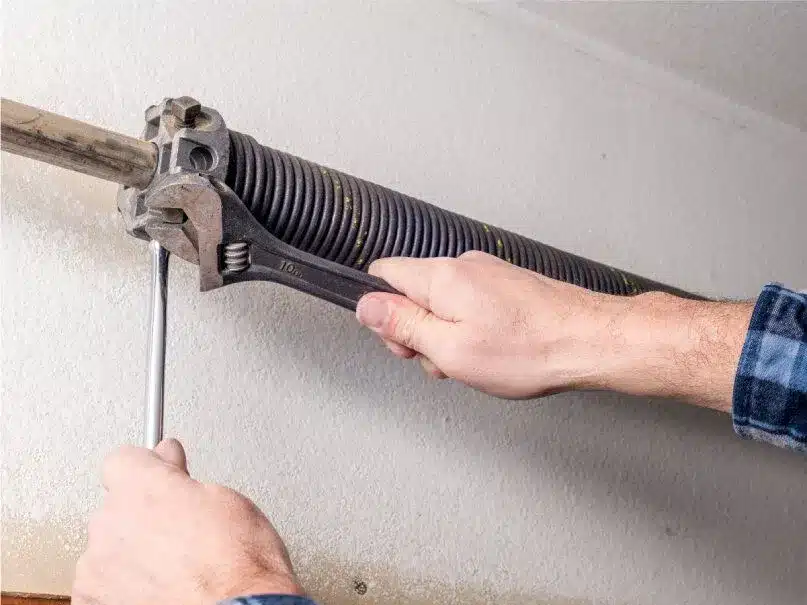
The components that lift and guide a garage door are also the ones most likely to generate noise when something goes wrong. Problems related to garage door spring repair, garage door cable repair, or a door that has moved off its track often result in sudden or persistent sounds that signal mechanical stress. These parts operate under significant tension, and even minor damage can disrupt the balance of the entire system.
Common noise-related issues tied to these components include:
- Broken springs: A sudden break often produces a loud bang similar to a firecracker, followed by a door that will no longer lift or lower properly.
- Worn or damaged cables: Frayed or weakened cables may scrape, rattle, or slap against nearby parts as the door moves, indicating instability within the lifting system.
- Off-track doors: When a door slips out of its track, loud grinding or scraping noises usually follow as the door struggles to move evenly.
These situations pose serious safety risks and require professional attention. The tension involved in springs and cables, as well as the instability of an off-track door, makes improper handling dangerous and increases the likelihood of further damage if not addressed correctly.
Garage Door Opener Repair and Its Role in Smoother Operation
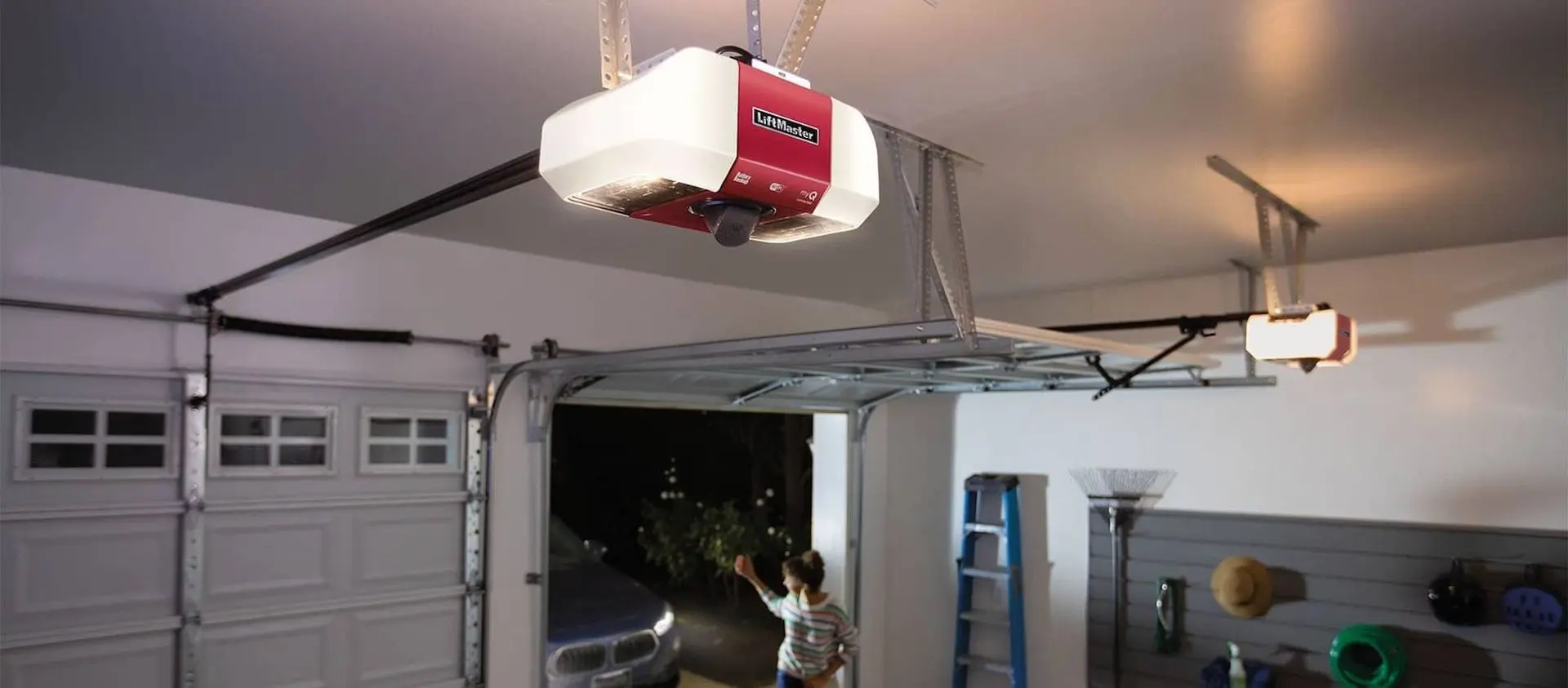
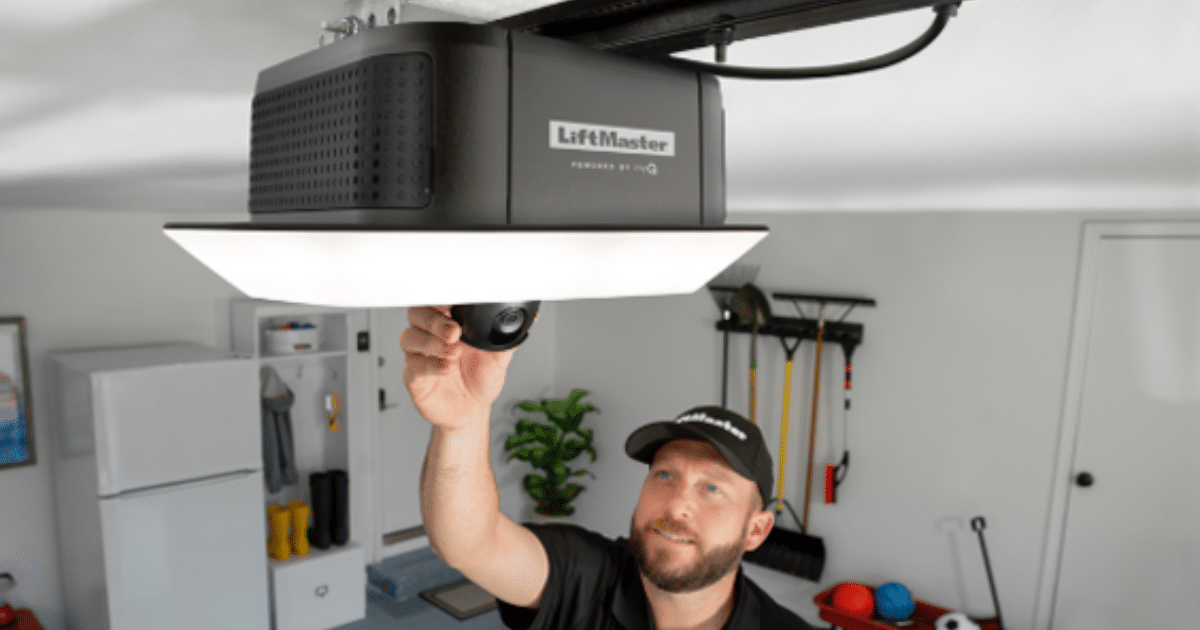
Unusual sounds can also point to issues within the garage door opener itself. The opener’s motor and drive components control automatic movement, and when internal parts begin to wear, noise often becomes more noticeable. Grinding, clicking, or persistent humming coming from the motor unit may indicate stressed gears, worn drive mechanisms, or internal misalignment that interferes with smooth operation.
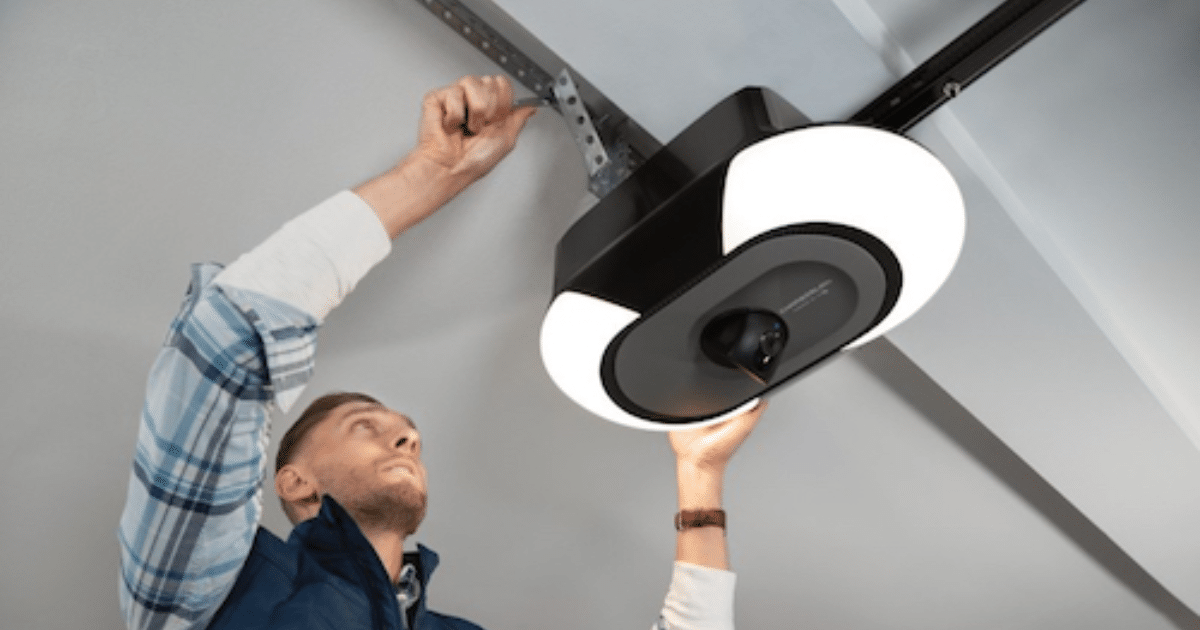
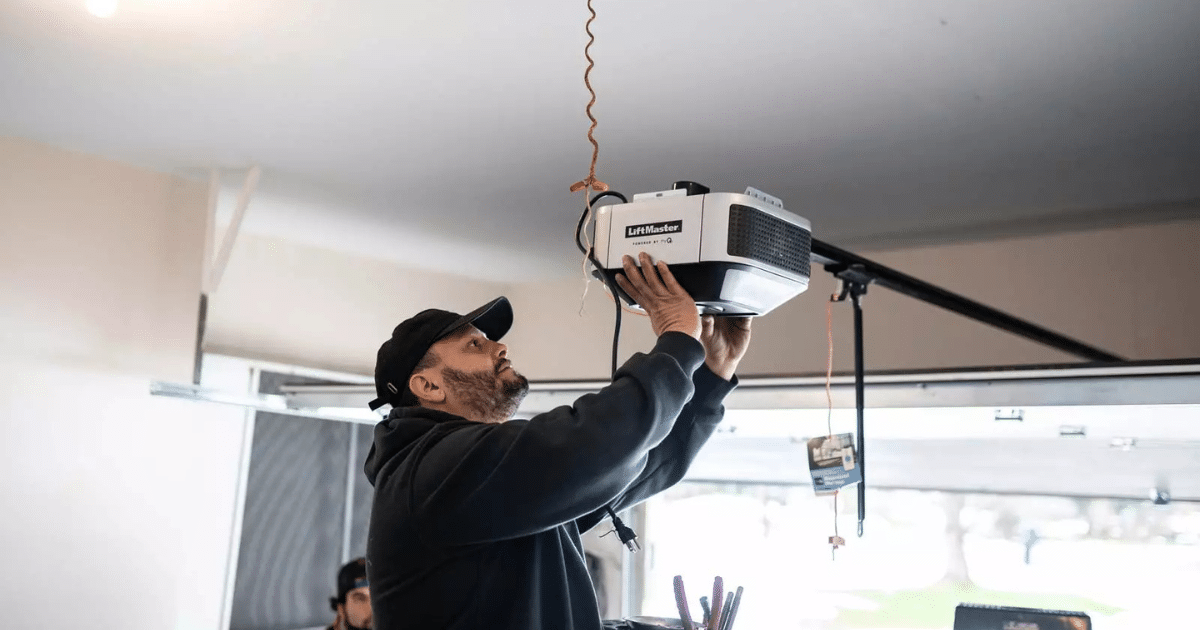
Addressing these sounds through garage door opener repair can restore quieter performance and reduce unnecessary strain on the rest of the system, particularly for commercial garage doors that see frequent daily use. In some cases, internal components can be replaced to resolve the issue, while older openers may require replacement to maintain reliable operation. Prompt attention is especially important because a struggling opener can place added stress on springs, panels, and tracks, leading to broader system wear. Professional evaluation helps determine whether a repair or replacement is the best path toward restoring smooth and dependable garage door operation.
Ongoing Garage Door Care for Residential and Commercial Properties
Caring for a garage door involves more than addressing problems after they appear. Ongoing maintenance plays a key role in preventing issues before they interfere with daily use, while also helping the door operate quietly and reliably over time. This approach matters for both residential and commercial properties, even though the demands placed on each system can differ. For homeowners, regular attention helps preserve the appearance of the property while supporting household safety. In commercial settings, consistent care is essential for maintaining smooth operations and protecting the building and its contents.
Many service providers support both residential garage door systems and commercial overhead doors, applying the same core principles while adjusting for scale and usage. Routine checks of moving components and overall door performance can reduce unnecessary noise and limit long-term wear. Staying ahead of these concerns helps extend the life of the system and reduces the likelihood of unexpected disruptions. The sections below explore how residential and commercial garage door needs differ and explain when an emergency repair may be necessary.
For related insights on performance issues, read our blog “Does Slow Movement Require Garage Door Repair?”
Differences Between Residential and Commercial Garage Door Repair Concerns
Although residential and commercial garage doors perform the same basic function, the conditions they operate under are very different. These differences shape the type of care and repair each system requires. Residential garage door service typically emphasizes quiet operation, visual appeal, and reliable performance that supports everyday home use, while also integrating features such as industrial railings when additional structural guidance or protection is needed. Commercial overhead door repair, on the other hand, focuses on strength, speed, and the ability to withstand frequent cycles without interrupting business activity, where industrial railings often play a role in maintaining alignment and durability in demanding environments.
In Glen Burnie, many service providers work with both residential and commercial systems, but experienced technicians understand that each requires a distinct approach. A residential garage door is often part of a home’s exterior design, while a commercial door functions more like industrial equipment built for heavy-duty use. Both are among the largest moving components in their respective buildings, yet their construction, usage, and priorities vary significantly.
The table below outlines key differences between residential and commercial garage door concerns.
| Feature | Residential Garage Doors | Commercial Garage Doors |
| Frequency of Use | Typically limited daily cycles | Frequent use throughout the day |
| Primary Focus | Quiet operation, appearance, and safety | Durability, uptime, and security |
| Common Materials | Steel, aluminum, wood, or composite | Heavy-duty steel and industrial-grade components |
| Repair Urgency | Impacts convenience and household security | Essential for operations and workplace safety |
When Emergency Garage Door Repair Is Needed for Sudden Noise Problems
Some garage door noises point to serious problems that require immediate attention, especially when they appear suddenly or are paired with visible issues. A loud bang may signal a broken spring, which can leave the door inoperable and unsafe, while a door that slips off its tracks, hangs unevenly, and produces grinding sounds is a clear emergency that should not be ignored. Continuing to operate the door in these situations can worsen the damage and increase safety risks, which is why emergency garage door repair becomes necessary. In Glen Burnie, prompt professional response helps secure the door, assess the damage, and prevent further complications. Attempting to force a damaged door open or closed is unsafe, and the most effective step is to rely on experienced technicians who can restore proper operation and guide you through the next steps when a noise signals a major issue.
Understanding the sounds your garage door makes can offer valuable insight into its overall condition and alert you when something is not working as it should. Unusual noises often point to issues involving the opener, springs, or other key components, and recognizing them early allows smaller concerns to be addressed before they develop into more serious problems. Paying attention to these warning signs also helps extend the life of the garage door system while supporting smoother and more reliable operation. Regular maintenance plays an important role in reducing unnecessary noise and keeping garage doors functioning properly in both residential and commercial settings, and when sounds become persistent or concerning, seeking professional assistance is the most effective way to protect the system.
When you need experienced support you can rely on, All About Doors offers knowledgeable service focused on restoring quiet, dependable garage door operation. Our team understands how small warning signs connect to larger system issues and approaches every service call with attention to detail and clear communication. If your garage door noise is raising concerns, contact us today or give us a call to schedule an evaluation and take the next step toward smoother, safer performance.