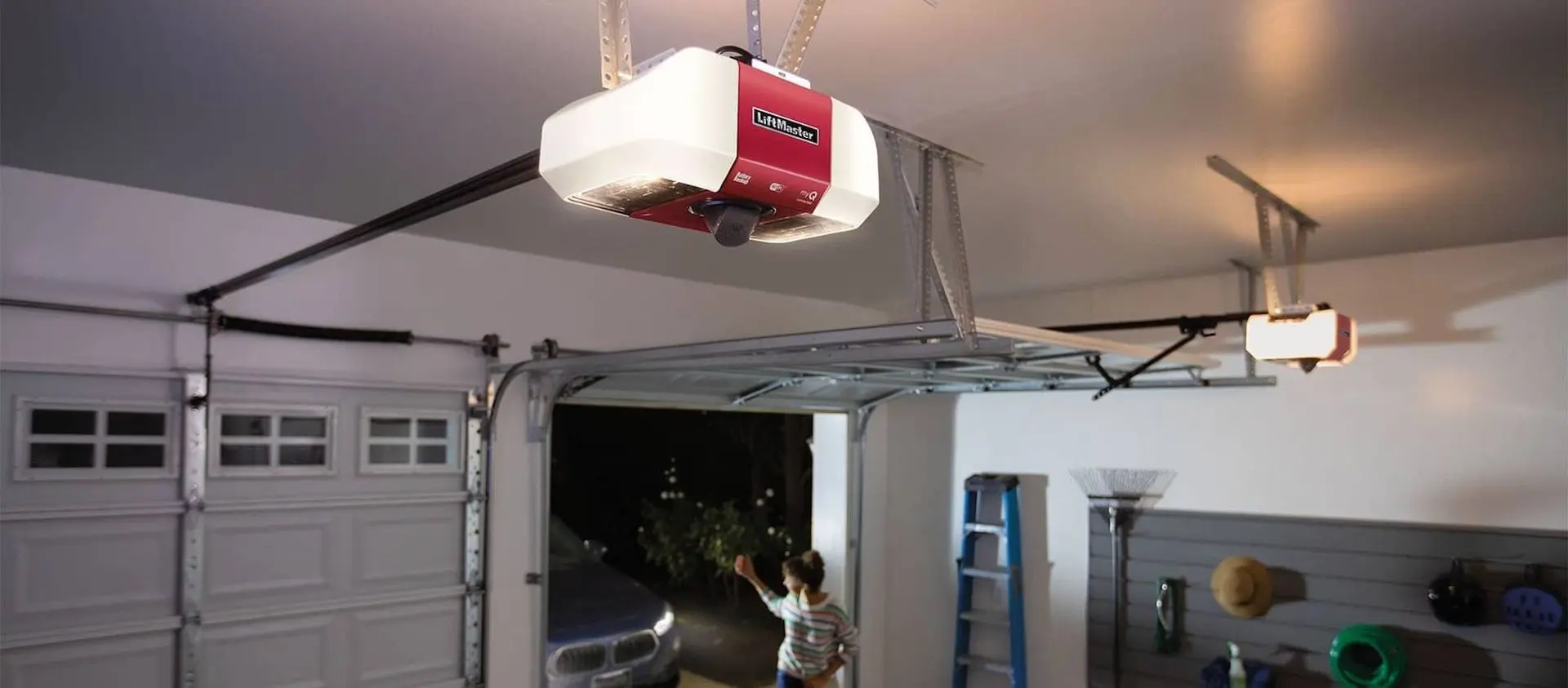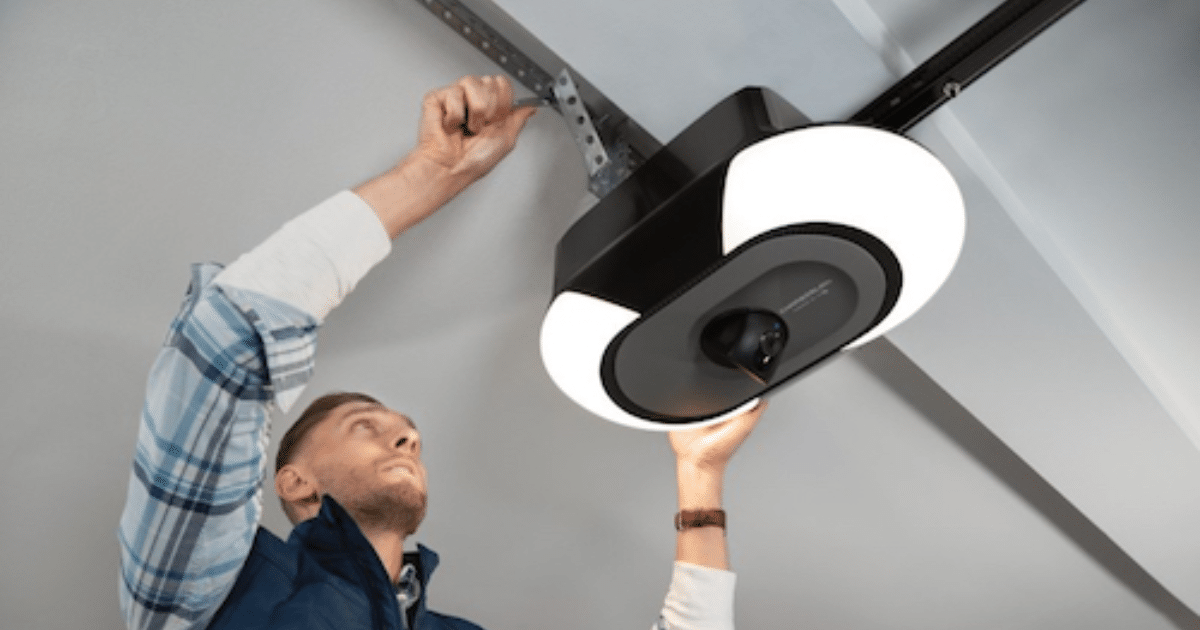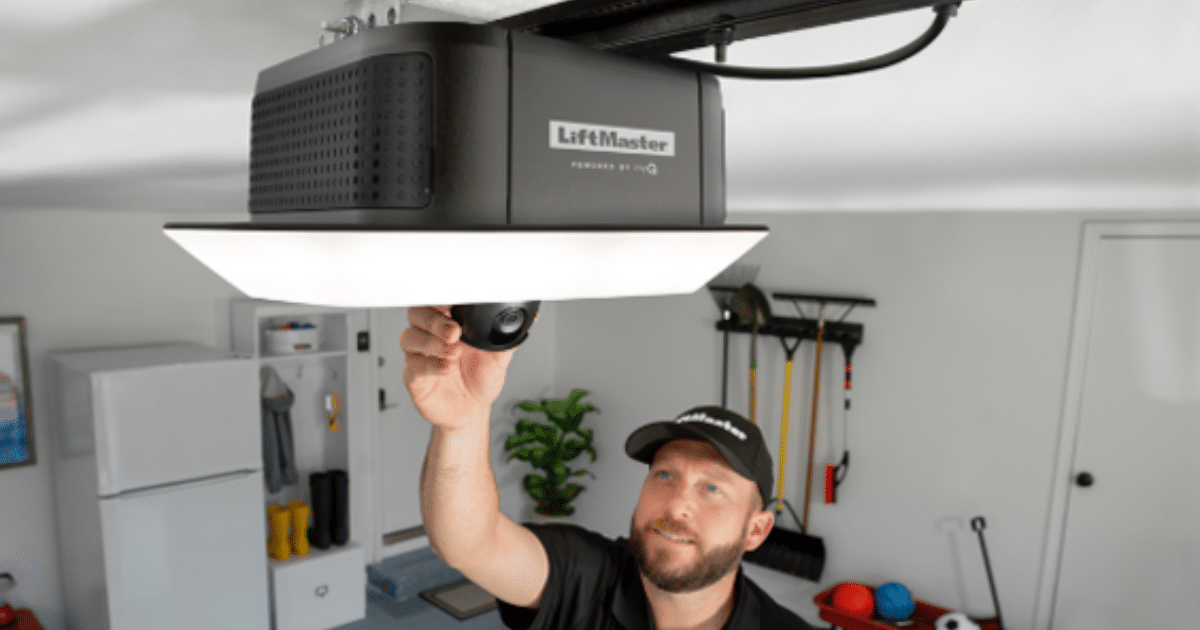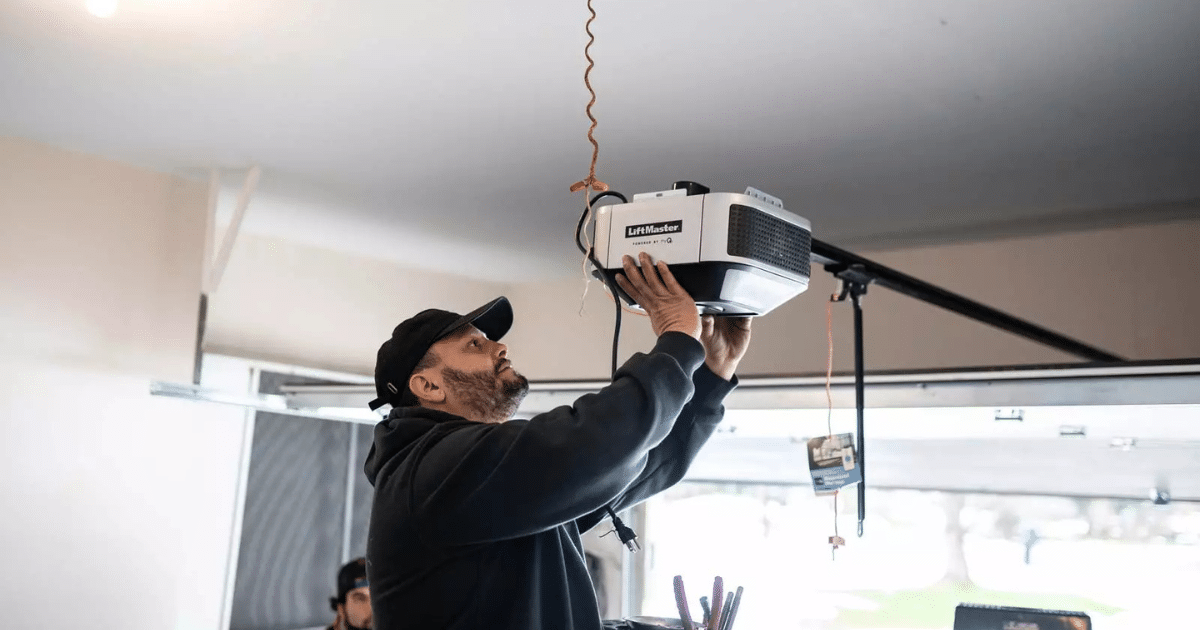
A garage door opener plays an important role in everyday access and overall home security. Because it is used frequently, performance changes can develop gradually and go unnoticed until daily operations are affected. Understanding how opener issues begin helps explain why timely attention matters.
- Supports daily garage access with minimal effort
- Operates repeatedly, which can lead to gradual mechanical strain
- May show early performance changes before a complete failure occurs
- It can affect convenience and consistency when issues develop
- Requires proper function to maintain smooth door movement
Recognizing these conditions early can help prevent unexpected disruptions. When opener performance changes, timely garage door repair helps restore dependable operation and reduces the likelihood of further complications.
Signs That Indicate a Garage Door Opener Needs Repair
When a garage door begins to operate differently than usual, it often signals an issue with the opener. Changes such as unfamiliar noises, inconsistent responses, or incomplete movements suggest reduced performance and potential security concerns. Addressing these signs early helps prevent further disruption and supports safe, reliable garage door operation.
To better understand the reasons behind these problems, explore our blog “What Causes Garage Door Opener Repair Issues?”
Grinding, Buzzing, or Straining Sounds During Operation
Unusual sounds are often one of the first indicators that a garage door opener is under stress. While some noise is normal during operation, new or worsening sounds usually point to internal changes that affect performance.
- Grinding or screeching noises linked to worn or misaligned components
- Buzzing sounds suggesting electrical or motor-related strain
- Straining noises indicating the opener is working harder than normal
- Sudden sound changes that signal increased internal stress
When these noises appear, they often reflect developing mechanical issues within the opener. Addressing the cause early can help maintain stable operation and reduce the risk of further system disruption.
Delayed or Inconsistent Response When Activating the Opener
An opener that responds unpredictably can quickly interrupt normal garage use. Delays or inconsistent activation often indicate communication or electrical irregularities within the system.
- The door activates only after repeated button presses
- Response timing varies between attempts
- Opener behavior feels unreliable or inconsistent
- Intermittent operation that disrupts daily access
These patterns usually signal underlying problems that can worsen over time. A reliable opener response is essential for consistent and secure garage door operation.
Garage Door Movement That Starts and Stops Unexpectedly
Garage door movement should follow a smooth and predictable path. When the door stops, reverses, or changes direction unexpectedly, it suggests a disruption in how the opener controls movement.
- The door halts partway through opening or closing
- The door reverses direction without input
- Inconsistent movement from one cycle to the next
- Partial closure that affects safety and security
Irregular door motion can increase wear and raise safety concerns for residential garage doors. Identifying the cause helps restore consistent operation and reduces the risk of unexpected behavior.
Operational Problems That Signal Opener Performance Issues
Unusual noises or inconsistent garage door opener behavior often signal an underlying problem. When the opener fails to open or close the door properly, it can affect both daily convenience and overall safety. Addressing these issues early helps restore dependable operation and reduces the risk of unexpected door movement or access concerns.
For insight into timing and what to expect, read our blog “How Long Does Garage Door Opener Repair Take?”
Garage Door Fails to Fully Open or Close
When a garage door does not complete its opening or closing cycle, it often points to an issue with how the opener controls movement. Partial operation can affect access, security, and overall reliability.
- The door moves only partway before stopping
- The door fails to respond after activation
- Incomplete closure leaves the garage partially exposed
- Irregular stopping points during operation
A door that cannot fully open or close usually indicates internal opener limitations or related system strain. Identifying the cause helps restore proper door positioning and consistent operation.
Opener Runs, but the Door Does Not Move
Hearing the opener run while the door remains still suggests a disconnect between the opener mechanism and the door itself. In this situation, the opener is powered but unable to transfer motion.
- Motor runs without lifting or lowering the door
- Lack of connection between the opener and the door movement
- The drive system is unable to engage the door
- Normal sound without visible door motion
This condition often reflects a failure within the opener’s internal drive or connection components. Restoring proper engagement is necessary for the door to move as intended.
Opener Stops Mid-Cycle Without Completing the Motion
An opener that halts mid-cycle disrupts normal garage door operation and can create safety or security concerns. This behavior differs from reversal and usually indicates internal interruption.
- Door stops before fully opening or closing
- Movement pauses without reversing direction
- Operation becomes inconsistent between cycles
- Partial opening leaves the garage unsecured
Mid-cycle stoppage often signals stress within the opener system or interference with its safety controls in commercial garage doors. Resolving the cause helps return the door to smooth, uninterrupted movement.

Factors That Commonly Lead to Garage Door Opener Malfunctions
Understanding the common causes behind garage door opener issues helps explain why problems develop over time. Electrical interruptions, internal component wear, and alignment-related strain often contribute to reduced performance as the system ages. Recognizing these factors early provides clearer insight into opener reliability and what may lead to repair needs.
To learn why timing matters, explore our blog “Can Delays Worsen Garage Door Opener Repair Needs?”
Electrical Interruptions Affecting Opener Communication
Garage door openers rely on consistent electrical flow and clear internal communication to function properly. When interruptions occur, opener behavior can become unpredictable or unresponsive.
- Intermittent power flow affecting opener signals
- Faulty or deteriorated wiring is disrupting communication
- Logic board irregularities are causing inconsistent operation
- Sudden loss of response due to an electrical interruption
Electrical communication issues often lead to unreliable opener performance. Identifying the source of disruption helps restore stable operation and consistent door movement.
Internal Component Wear Within the Opener System
Over time, repeated garage door cycles place stress on the opener’s internal components. Normal use gradually affects moving parts within the drive system.
- Gears or sprockets are wearing down from repeated motion
- Belts stretching or losing tension over time
- Chain components loosen with continued use
- Increased strain on the motor as parts degrade
As internal components wear, opener efficiency declines. Addressing worn parts helps maintain smoother operation and prevents sudden system failure.
Alignment or Connection Issues Between Opener and Door
The garage door opener depends on proper alignment and secure connections to move the door smoothly. When these connections shift or weaken, system strain increases.
- Loose or misaligned connection between the opener and the door
- Irregular door movement caused by attachment issues
- Increased resistance from track or roller misalignment
- Added motor strain due to imbalance or resistance
Connection and alignment problems often affect both the opener and the door system, including related components such as industrial railings. Restoring proper alignment supports reliable movement and reduces unnecessary stress on the opener.
What Typically Occurs During a Garage Door Opener Repair Process
Garage door opener repair typically follows a structured process designed to identify the cause of the issue and restore proper function. An initial evaluation reviews the opener and related components to determine where performance is affected, followed by clear findings on what is preventing normal operation. This approach focuses on resolving the underlying problem rather than applying temporary fixes.
Initial Evaluation of Opener Function and Door Response
The repair process begins by observing how the garage door and opener operate. This evaluation helps identify visible performance issues and establishes a baseline for further inspection.
- Door response tested using wall controls and remotes
- Opener movement observed for hesitation or strain
- Unusual noises were noted during opening and closing
- Safety features checked for basic functionality
This initial review provides insight into how the opener and door interact. It helps narrow down whether the issue is mechanical, electrical, or related to system coordination.
Identification of Mechanical or Electrical Irregularities
After the initial assessment, attention shifts to locating the specific source of the malfunction. This stage focuses on separating mechanical concerns from electrical disruptions.
- Drive components are examined for wear or disconnection
- The physical link between the opener and the door was reviewed
- Wiring and power supply checked for interruptions
- Control and logic components evaluated for irregular behavior
Distinguishing between mechanical and electrical issues ensures accurate diagnosis. Identifying the exact fault prevents unnecessary adjustments and supports targeted correction.
Operational Testing After Adjustments Are Made
Once adjustments are completed, the system is tested to confirm proper operation. This step verifies that earlier issues no longer affect performance.
- The door cycled through full open and closed movements
- Movement checked for smoothness and consistency
- Stopping points reviewed for proper positioning
- Safety features retested to confirm normal response
Final testing confirms that the opener operates reliably and safely. Consistent performance across multiple cycles indicates the system is functioning as intended.
Understanding Early Signs of Garage Door Opener Issues
Recognizing early signs of garage door opener issues helps maintain consistent operation and household safety. Unusual noises or irregular performance often indicate developing problems that are easier to address when noticed early. Understanding what causes these issues also supports better awareness of overall garage door system performance.
For homeowners looking for dependable insight and experienced support, All About Doors offers knowledgeable guidance built around long-term garage door performance and reliability. To learn more or discuss your garage door concerns, contact us today or give us a call and take the next step toward smoother, more dependable operation.