A garage door opener supports everyday access and contributes to overall household safety. When it functions properly, the operation feels effortless and consistent. Problems may begin small, but delaying attention allows underlying issues to progress unnoticed.
- Garage door openers play a key role in daily convenience and safe access
- Delayed attention can cause minor issues to gradually intensify
- Small opener problems may begin affecting the overall door performance
- Ongoing strain can reduce reliability during regular use
- Unresolved issues may introduce safety concerns over time
- Early correction helps restore smooth and predictable operation
- Consistent performance supports long-term system stability
Putting off garage door opener repairs often leads to greater disruption than expected and can increase the need for broader garage door repair over time. Addressing concerns early helps maintain dependable operation and reduces the risk of wider system complications.
How Delayed Repairs Affect Garage Door Opener Performance
Delaying garage door opener repairs can gradually reduce system performance, allowing minor issues to grow into larger operational problems. Frequent use places ongoing strain on the opener, which can worsen existing faults over time. Early signs of irregular operation often indicate deeper concerns, and overlooking them may lead to greater disruption and broader system damage. The following sections explain how this decline in performance can appear in different ways.
For additional context on early warning signs, see When Do You Need Garage Door Opener Repair?
Gradual Decline in Opening and Closing Accuracy
Garage door openers rely on precise positioning to open and close correctly. When internal components begin to wear, accuracy is often the first thing affected.
- Door stops short of fully opening or closing
- Gaps appear at the bottom, or clearance becomes inconsistent
- The door reverses direction unexpectedly during operation
- Movement becomes unpredictable as wear increases
- Minor positioning errors progress into complete failure
If left unaddressed, these accuracy issues can prevent the door from operating at all, turning small errors into major system disruptions.
Increased Strain on Internal Moving Components
An opener that struggles to move the door places added stress on its internal systems. This extra effort causes components to wear faster than intended.
- The motor works harder to lift and lower the door
- The drive system experiences increased tension
- One worn component forces others to compensate
- Internal wear spreads across multiple parts
- Strain extends to connected door hardware
Over time, this ongoing stress reduces overall system stability and increases the likelihood of widespread mechanical failure.
Reduced Responsiveness During Daily Operation
Delayed repairs often lead to slower or inconsistent responses during normal use. These changes usually signal growing internal or electronic issues.
- Delayed movement after pressing a control
- Inconsistent response to repeated commands
- Intermittent operation disrupts access routines
- Response delays worsen with continued use
- Reliability declines over time
As responsiveness decreases, the opener becomes less dependable, affecting both convenience and confidence in daily operation for residential garage doors.
Mechanical Issues That Intensify Over Time
Mechanical issues within a garage door opener tend to worsen over time rather than resolve on their own. What begins as a minor mechanical fault can gradually spread, affecting the drive system, wiring, or motor as continued use places added strain on the opener. Delaying attention allows these problems to expand beyond their original source, increasing overall system instability. The following section explains how prolonged mechanical issues can lead to broader and more serious damage within the opener system.
To explore the root causes behind these mechanical failures, read What Causes Garage Door Opener Repair Issues?
Worsening Alignment and Load Distribution Problems
Proper alignment allows a garage door to move smoothly and keeps weight evenly distributed across the system. When alignment begins to fail, movement becomes uneven and strain increases.
- The door travels unevenly within the tracks.
- Scraping, shaking, or sticking during operation
- Weight shifts place added load on the opener
- Motor and gears work harder than intended
- Misalignment worsens with continued use
If left unresolved, alignment issues can damage tracks and overload the opener, turning a minor imbalance into a broader system failure.
Electrical Irregularities Affecting System Coordination
Electrical components control how the garage door opener responds and coordinates movement. Even small electrical irregularities can disrupt this balance over time.
- Intermittent stops or unexplained reversals
- Flickering lights or inconsistent power flow
- Sensor behavior becomes unreliable
- Wiring degradation affects system communication
- Logic board performance declines
As electrical problems persist, coordination between the opener, sensors, and controls weakens, increasing the risk of full system malfunction.
Compounded Stress on Connected Door Hardware
A struggling garage door opener places added stress on all connected door components. Rough or inconsistent movement spreads strain throughout the system.
- Springs absorb uneven lifting force.
- Cables experience irregular tension.
- Rollers wear faster from unstable movement.
- Tracks endure increased vibration and pressure.
- Hardware deterioration accelerates over time.
When opener issues are ignored, damage often extends beyond the opener itself, affecting multiple parts and increasing overall system instability in commercial garage doors.
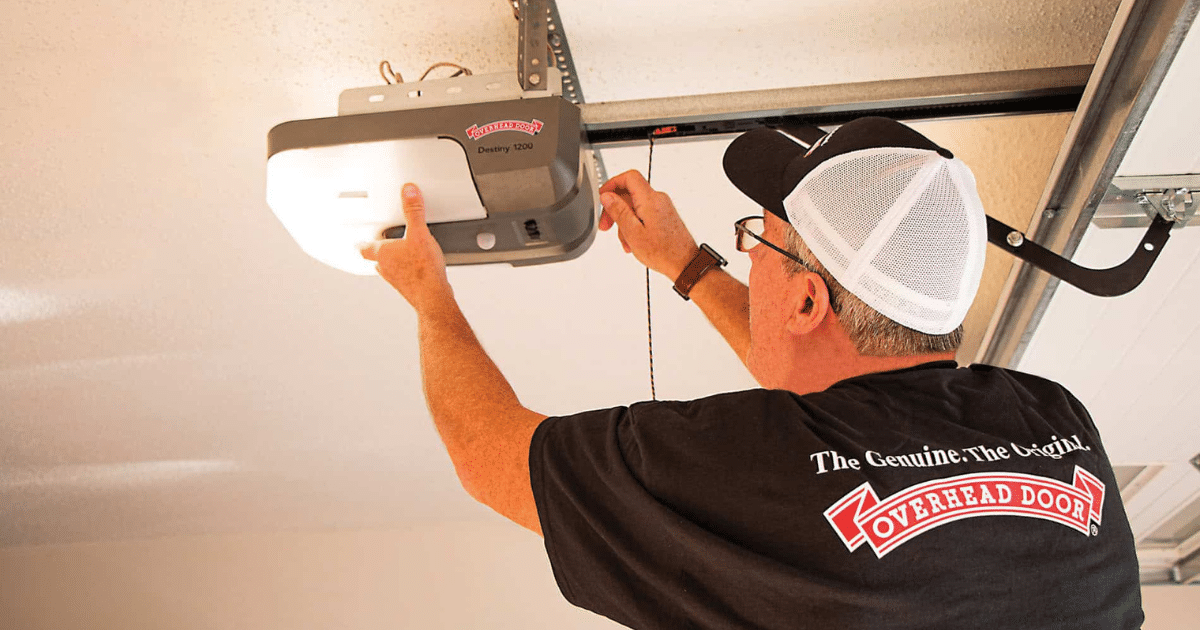
Safety and Reliability Concerns Caused by Repair Delays
Delaying garage door opener repairs can compromise both safety and reliable operation. When an opener is not functioning properly, built-in safety mechanisms may fail to respond as intended, increasing the risk of injury or property damage. Ongoing issues can also affect security, especially if the door does not close fully or operates unpredictably. The following sections examine how postponed repairs can lead to broader safety and reliability concerns over time.
For insight into what to expect once repairs begin, see How Long Does Garage Door Opener Repair Take?
Inconsistent Door Movement Creating Unstable Operation
When garage door opener issues are delayed, door movement often becomes uneven and unpredictable. These changes usually indicate growing mechanical or control-related problems.
- Door hesitates, shakes, or changes speed during movement
- Sudden starts and stops interrupt normal operation
- Grinding, scraping, or rattling noises develop
- Internal components struggle to move the door smoothly
- Safety responses may become unreliable
As instability increases, both performance and safety are affected, making continued operation less predictable and more hazardous over time.
Heightened Risk of Sudden Stops or Reversals
Unresolved opener issues can cause the garage door to stop or reverse unexpectedly, even when no obstruction is present. These behaviors signal deeper system irregularities.
- The door halts midway without warning.
- The door reverses direction unexpectedly.
- Operation becomes inconsistent from one use to the next
- Access routines are disrupted
- Security may be compromised if the door does not remain closed
When these interruptions persist, the likelihood of sudden failure increases, creating safety and reliability concerns that worsen with continued use.
Limited Control During Manual or Assisted Use
When an opener is not functioning properly, even manual operation can become difficult or unsafe. Underlying mechanical strain often affects overall door balance and movement.
- The door feels unusually heavy when lifted manually
- Movement becomes stiff or uneven
- The door may bind or stick along the tracks
- Applying force increases the risk of damage or injury
- Control and predictability are reduced
Relying on manual operation does not resolve the underlying issue, and continued use under these conditions can further destabilize the entire garage door system, including related industrial railings.
Long-Term Impact of Postponing Garage Door Opener Repairs
Delaying garage door opener repairs may seem harmless at first, but minor issues often grow into larger, more complex problems over time. What begins as a small malfunction can escalate into extensive system damage, sometimes affecting the garage door itself. As problems spread, restoration becomes more involved and disruptive. Addressing concerns early helps prevent unnecessary system deterioration and long-term complications.
Minor Issues Developing Into Broader System Failures
Small garage door opener issues often appear harmless at first, but unresolved faults can spread through interconnected components over time.
- Worn wires or gears increase strain on surrounding parts
- Sensor irregularities disrupt system communication
- Motor stress causes vibration and loosening of components
- Control systems receive inconsistent signals
- Isolated faults expand into multi-part failures
When minor problems are ignored, system-wide breakdowns become more likely, turning manageable issues into extensive operational failures.
Reduced Dependability During Frequent Use
Garage door openers are designed to handle repeated daily cycles, but unresolved problems quickly reduce consistency and reliability.
- Performance varies from one cycle to the next
- Delayed or inconsistent responses become common
- Movement quality declines during regular use
- Interruptions increase during peak access times
- Confidence in reliable operation diminishes
As dependability decreases, everyday use becomes unpredictable, making frequent operation more disruptive over time.
Greater Disruption to Normal Access and Closure Cycles
Delaying garage door opener repairs can interfere with daily routines that rely on consistent access and secure closure.
- The door fails to open or close when expected
- Entry and exit routines are interrupted
- Vehicles may be left outside unexpectedly
- Partial closure affects overall security
- Daily schedules become less predictable
When access and closure cycles are disrupted, the garage door no longer supports normal household flow, increasing stress and operational inconvenience.
Why Delaying Garage Door Opener Repairs Can Lead to Bigger Problems
Delaying garage door opener repairs can lead to escalating problems over time, allowing existing issues to worsen while new ones develop. As wear increases, daily access may become unreliable and component failure more likely. Ongoing neglect can also raise safety concerns as parts degrade under continued use. Addressing opener issues early helps maintain stable operation and reduces the risk of broader system complications.
For homeowners seeking knowledgeable guidance, All About Doors offers experience-backed insight into garage door opener performance and system reliability. Our focus on clear communication and proper evaluation helps ensure issues are identified and addressed efficiently. If you have questions or would like to discuss your garage door opener concerns, contact us today or give us a call to take the next step toward dependable operation.